What Is Construction Spoil?
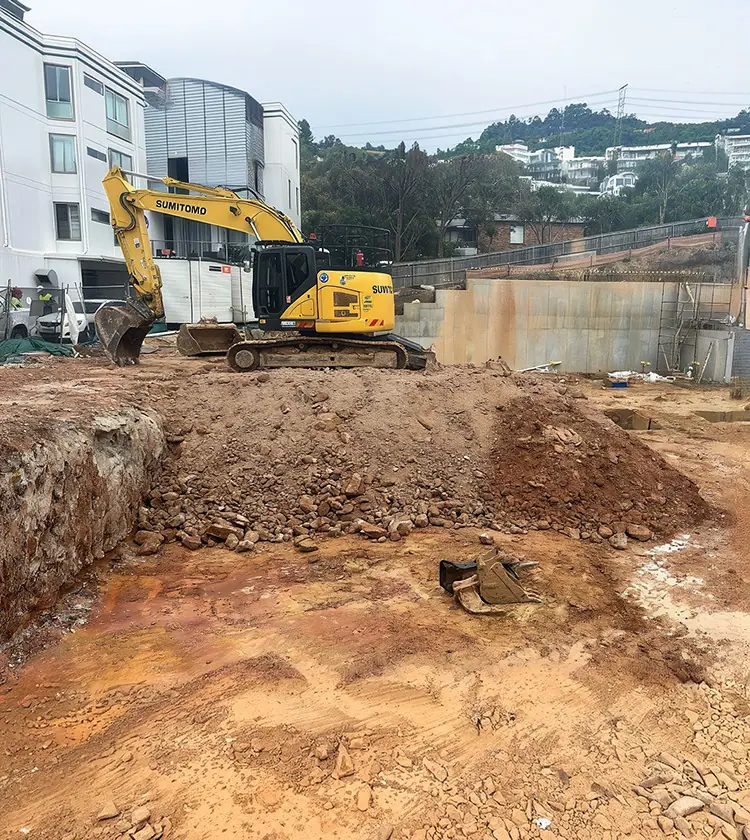
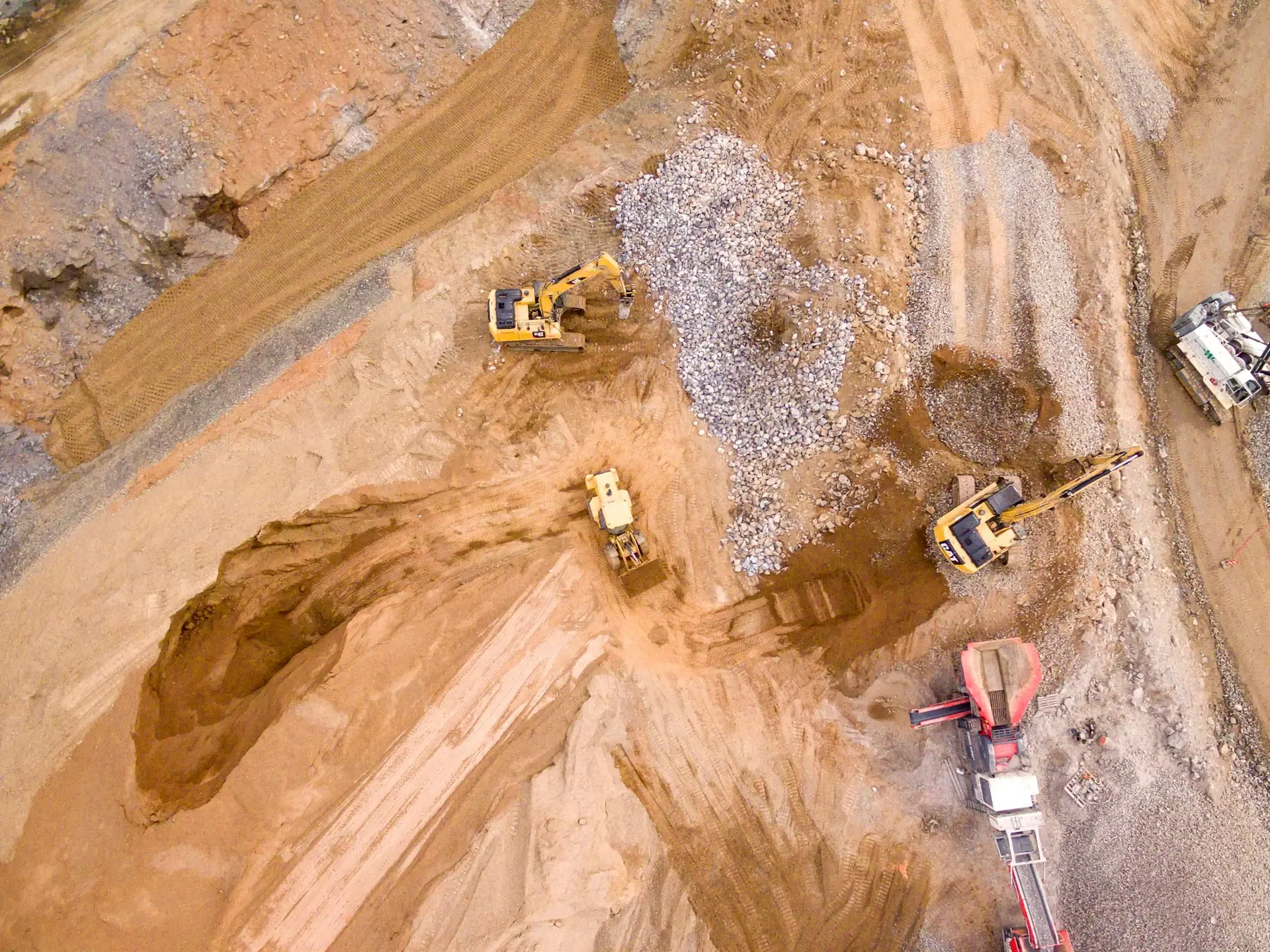
Construction spoil is the broad term for excavated material removed from a construction site. It typically includes soil, rock and fill, as well as demolition rubble when it is mixed through the soil.
Spoil isn’t a single category from a compliance point of view. Under the NSW EPA’s Waste Classification Guidelines, waste falls into one of six classes: special, liquid, hazardous, restricted solid, and general solid waste (putrescible or non-putrescible). That classification determines which facilities can lawfully receive the material, whether formal tracking applies, and what documentation is needed. A load of clean natural soil and a load of fill containing contaminants can leave the same site on the same day and be treated very differently.
Why Documentation and Tracking Are Required
The legal foundation is the Protection of the Environment Operations Act 1997 (POEO Act) and the Protection of the Environment Operations (Waste) Regulation 2014. Two obligations matter most for spoil.
Formal tracking applies to higher-risk wastes. Hazardous waste listed in the Waste Regulation must be tracked when it moves into, within or out of NSW. Asbestos waste and waste tyres above set quantities must be tracked within NSW, and waste generated in the Metropolitan Levy Area must be tracked when it is transported out of NSW. These movements are recorded in the EPA’s Integrated Waste Tracking Solution (IWTS), which has replaced the older WasteLocate and Online Waste Tracking systems.
Lawful disposal applies to everything. Under section 143 of the POEO Act, it is an offence to transport waste to a place that cannot lawfully be used as a waste facility for that waste. Both the transporter and the owner of the waste can be liable. This is why even untracked spoil needs good records.
There is also a commercial reality. Landfills and licensed recycling facilities generally ask for classification evidence before accepting soil, and loads without it can be turned away at the gate. Requirements differ by waste type and change over time, so confirm current obligations with the NSW EPA or an experienced operator before a project begins.
What Is Chain of Custody?
Chain of custody is the unbroken, documented record of who held the material, where it was and where it went at every stage. For construction spoil, that record typically covers:
- The source site
- The transport vehicle and driver
- The route or movement details
- The receiving facility
For tracked wastes, a formal record is a legal requirement and is created through the IWTS. For other classified spoil it is best practice, and it is the kind of record you will be glad to have if a question is raised months or years later.
One related rule: restricted solid waste must be taken to the closest lawful disposal facility for that waste, so the destination you choose is part of the compliance picture.
The Tracking Process: Step by Step
The detail varies by waste type and project, but the process generally follows this sequence.
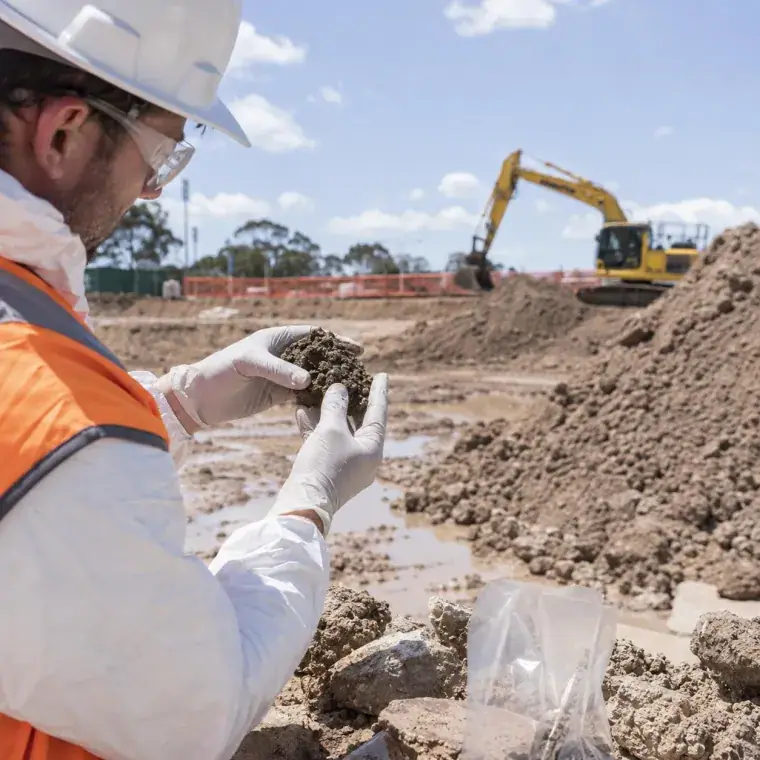
1. Classify the waste. Sampling and testing establish what the material is. For waste that may contain PFAS, the EPA requires additional chemical assessment. Classification comes first because every later step depends on it.
2. Confirm a lawful destination. Check that the receiving facility’s licence and approvals allow it to accept that classification. A section 143 notice from the facility owner or occupier is the approved way to evidence this.
3. Confirm transporter requirements. For trackable waste, a transporter moving more than 200 kg or litres in a load needs an NSW environment protection licence. Loads must also be covered and transported to prevent spillage.
4. Create the tracking record where required. For trackable waste, a consignment authorisation must be issued before transport and a transport certificate travels with the load. Asbestos and waste tyres above the thresholds are reported through the IWTS. For other spoil, a transport docket linking the load to its classification, origin and destination serves the same purpose.
5. Dispatch and receive. Load details, vehicle and driver information, and times are recorded at departure. On arrival, the facility checks the load against its documentation and issues an acceptance docket.
6. File the records. The contractor or developer keeps the complete set, from classification reports through to acceptance dockets.
When each step is documented as it happens, the finished file tells a clear story. When steps are reconstructed after the fact, gaps tend to appear.
Who Is Responsible?
Responsibility is shared, but it does not fall evenly.
- The waste owner or generator carries the most exposure. Under section 143, the owner of the waste, which includes the person who owned it immediately before transport, can be liable even if someone else drove the truck. A defence exists in limited circumstances, but it depends on being able to show you took steps to ensure lawful transport and disposal.
- The transport contractor must hold the right licence where trackable waste is involved, cover loads properly and carry the required documentation.
- The receiving facility must be lawfully authorised to take the waste and should confirm acceptance in writing.
For a project manager, the practical takeaway is that you are accountable for the whole chain, including the parts performed by others. Choosing transport and disposal partners is a compliance decision as much as a logistics one.
What Happens If Documentation Fails?
When records are missing or incomplete, the consequences can stack up quickly:
- Rejected loads. Facilities can refuse material that arrives without the right paperwork, leaving trucks idle and programs delayed.
- Tracking breaches. For tracked wastes, failing to follow the IWTS requirements can attract heavy penalties in its own right.
- Fines and regulatory action. Offences such as sending waste to an unlawful place can lead to penalties for the waste owner, not just the transporter.
- No audit trail. If contamination is later alleged at a receiving site or along a transport route, you have little evidence of where your material went or how it was classified.
That last point is often underestimated. Records are your defence long after the excavation work has finished.
How EBH Manages Spoil Tracking
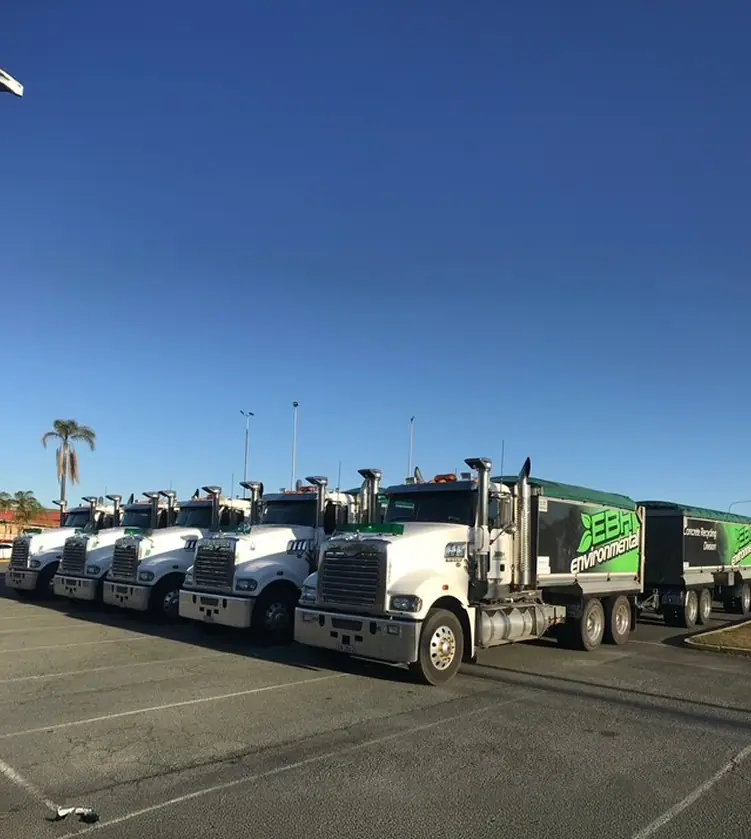
At EBH Environmental, chain of custody is built into how we move spoil, not added afterwards. Our approach includes:
- End-to-end load records from site to facility, so every load can be traced
- Transport arrangements matched to the material’s classification, including licensing where the waste requires it
- Documented transport records provided to clients, ready to file and ready for audit
- Facility acceptance confirmation for each load, closing the loop on where the material ended up
Our transport and logistics service coordinates collection, scheduling and the right documentation so loads leave site compliant. Our soil disposal service ensures material reaches a facility that can lawfully accept it, with confirmation to match.