Skip to content

Contaminated Soil Management

Contaminated soil is one of the most regulated materials encountered on civil and infrastructure projects. Classification accuracy, approved transport, compliant disposal pathways, and complete documentation must all align before soil can leave site.

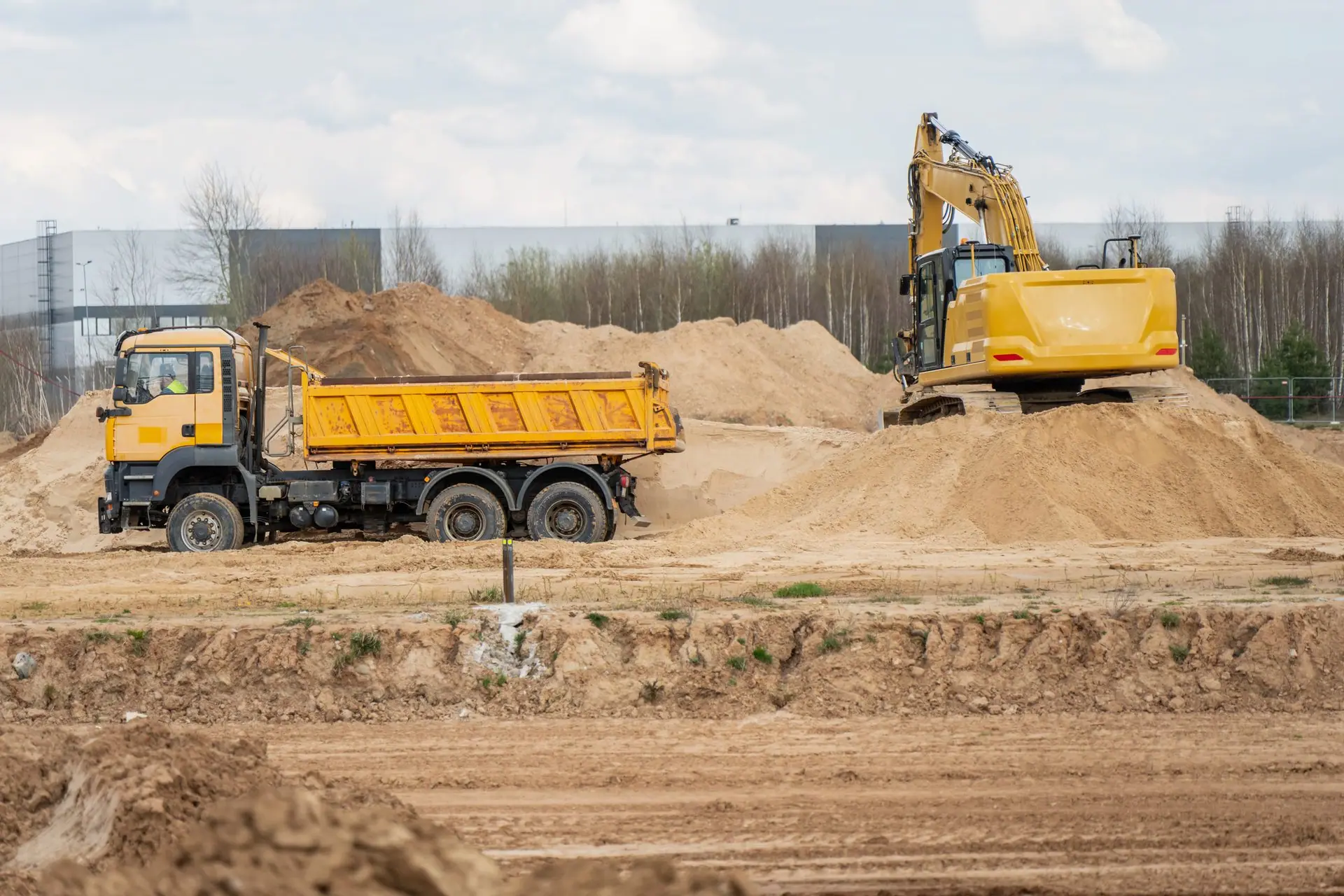
Excavator loading excavated soil into a tipper truck at an earthworks site

Early pathway confirmation reduces risk.

EBH Recycling delivers contaminated soil management NSW-wide, supporting projects where regulatory exposure, program delays, or rejected loads are not acceptable. Our contaminated soil services provide a structured, end-to-end approach that allows contaminated material to be managed lawfully, predictably, and without disruption to construction schedules.

Confirming classification and disposal options before excavation begins helps prevent rehandling, delays, and non-compliant outcomes later in the project.

What Contaminated Soil Management Includes

Contaminated soil management is the controlled handling of soil that exceeds reuse thresholds and must be assessed, transported, treated, or disposed of under regulated conditions.

At EBH, contaminated soil management includes:

  • Contaminated soil assessment and classification support
  • Alignment with waste classification guidelines
  • EPA compliant soil disposal pathway confirmation
  • Contaminated soil transport under chain of custody controls
  • Contaminated soil treatment where reuse is permitted
  • Regulated soil disposal at licensed waste facilities
  • Complete environmental compliance documentation

This service manages contaminated soil between site investigation and any required remediation works, ensuring material is directed to the correct pathway from the outset.

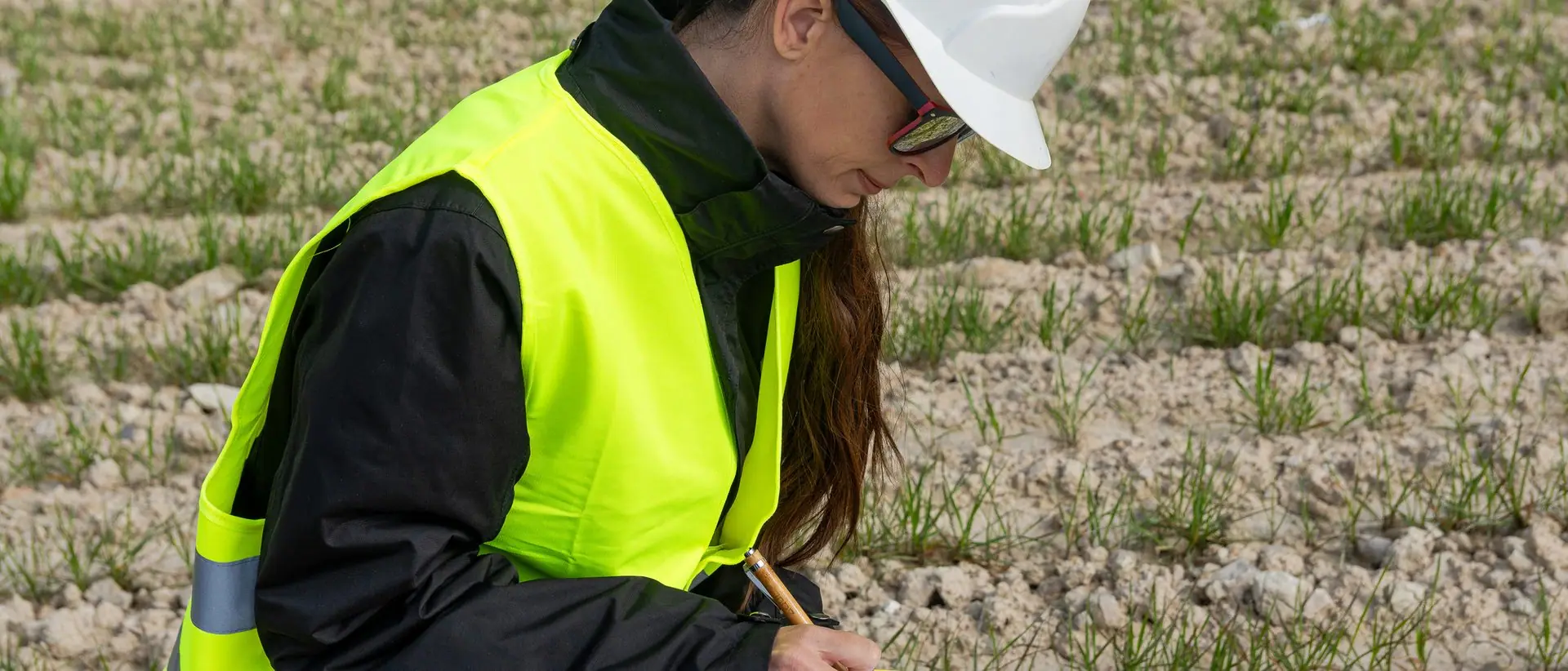
Site engineer recording soil observations during a site inspection

Contaminated Soil Management in NSW

Contaminated soil management NSW projects operate within strict regulatory frameworks governed by the NSW EPA contaminated land framework and the Contaminated Land Management Act.

EBH supports contaminated land management across NSW by ensuring soil handling aligns with:

  • NSW EPA classification thresholds
  • Landfill disposal regulations
  • Restricted solid waste and hazardous soil disposal requirements
  • Approved spoil management practices

These controls are critical on active civil sites such as utilities trenching, road and rail corridors, and redevelopment projects where excavation schedules leave little room for error.
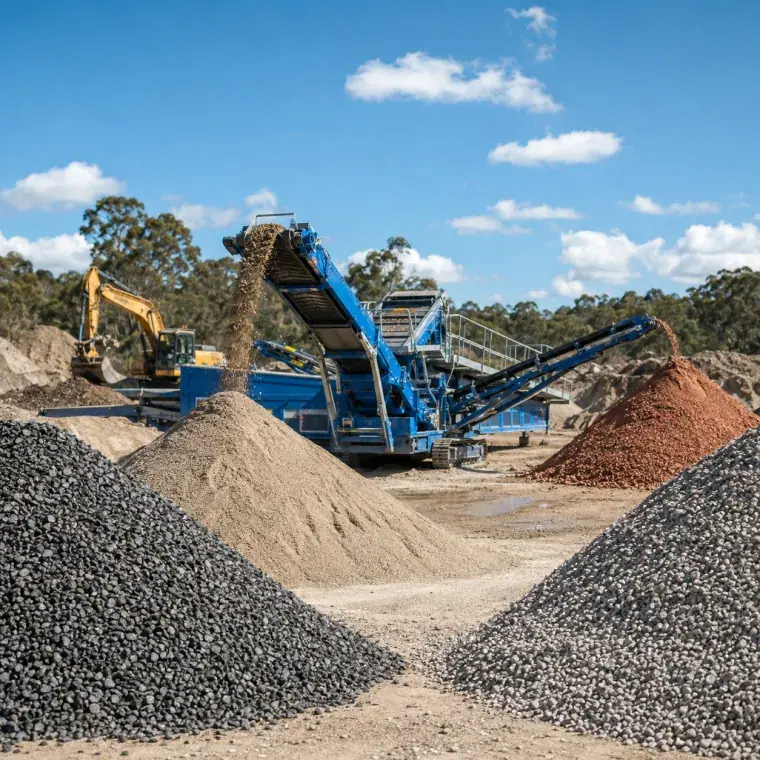
Contaminated Soil Assessment and Classification

Accurate classification underpins every compliant contaminated soil management outcome.

Before soil excavation and removal occurs, contaminated soil assessment determines whether material is classified as general solid waste soil, restricted solid waste, or hazardous soil.

EBH works alongside environmental consultants and project teams to support:

  • Environmental site investigation (ESI) outcomes
  • Contaminated soil assessment before disposal
  • Interpretation of remediation action plans (RAPs)
  • Confirmation of contaminated soil classification and disposal requirements

Where required, acceptance criteria are confirmed with licensed waste facilities prior to excavation, reducing uncertainty during construction. This process is supported through contaminated soil assessment services.

EPA Compliant Soil Transport and Chain of Custody

Once classified, contaminated soil must be transported under controlled conditions.

EBH provides EPA compliant contaminated soil transport NSW-wide, maintaining full chain of custody waste transport from site to treatment or disposal facility.

Our contaminated soil transport and tipping solutions include:

  • Licensed vehicle movements
  • Controlled contaminated soil tipping
  • Documented transport tracking
  • Verified delivery to approved facilities

Transport is managed through contaminated soil transport and integrated transport logistics operations, ensuring compliance is maintained beyond the site boundary.

Contaminated Soil Treatment and Disposal Pathways

Not all contaminated soil requires landfill disposal. Where permitted, soil treatment methods may allow material to be processed and reused under regulated conditions.

EBH evaluates contaminated soil treatment versus disposal options based on classification outcomes, contamination profiles, and project constraints. Where treatment is not suitable, regulated soil disposal is managed through approved pathways.

This includes:

  • Contaminated soil treatment where reuse criteria are met
  • Restricted solid waste soil disposal NSW
  • Hazardous soil disposal at licensed facilities
  • EPA compliant soil disposal aligned with regulatory requirements

These pathways are delivered through contaminated soil treatment or, where required, soil disposal at approved facilities.

Environmental Compliance and Documentation

Compliance does not end at disposal.

As part of our contaminated soil services, EBH provides environmental compliance documentation to support audit readiness and regulatory review. Documentation typically includes:

  • Transport and disposal records
  • Facility acceptance confirmation
  • Chain of custody tracking
  • Compliance summaries aligned with project reporting requirements

For complex or highly regulated projects, environmental compliance support provides additional assurance.

How Contaminated Soil Is Managed on Construction Sites

On active construction sites, contaminated soil must be managed through a repeatable workflow that aligns classification, logistics, and disposal before excavation begins.

Our Contaminated Soil Management Process

  1. 1Review classification data and contamination reports
  2. 2Confirm disposal or treatment acceptance criteria
  3. 3Coordinate soil excavation and removal schedules
  4. 4Manage EPA compliant contaminated soil transport and tipping
  5. 5Deliver environmental compliance documentation for reporting and audit

This approach supports contaminated soil management for civil projects where timing, compliance, and accountability are critical.

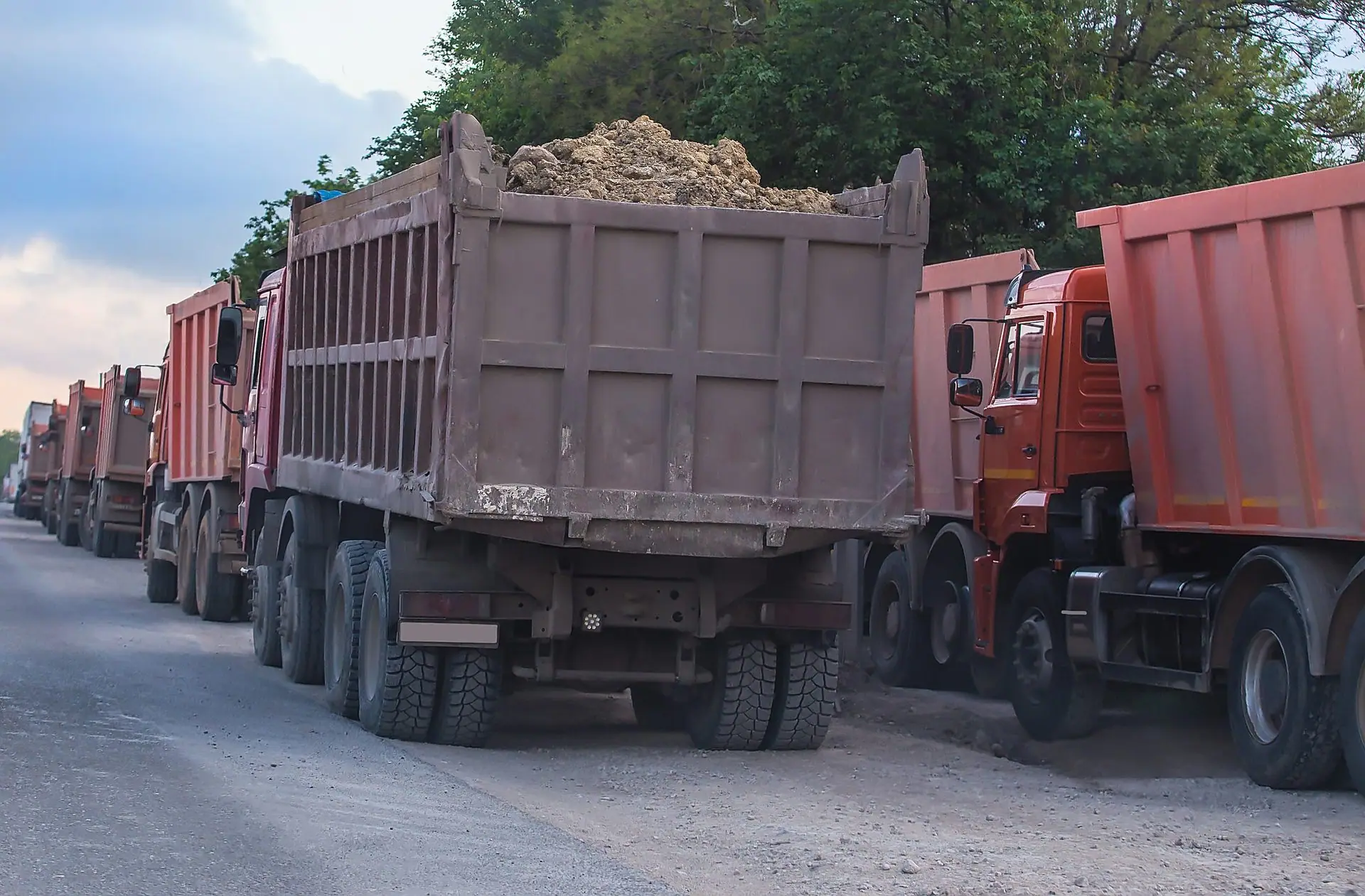
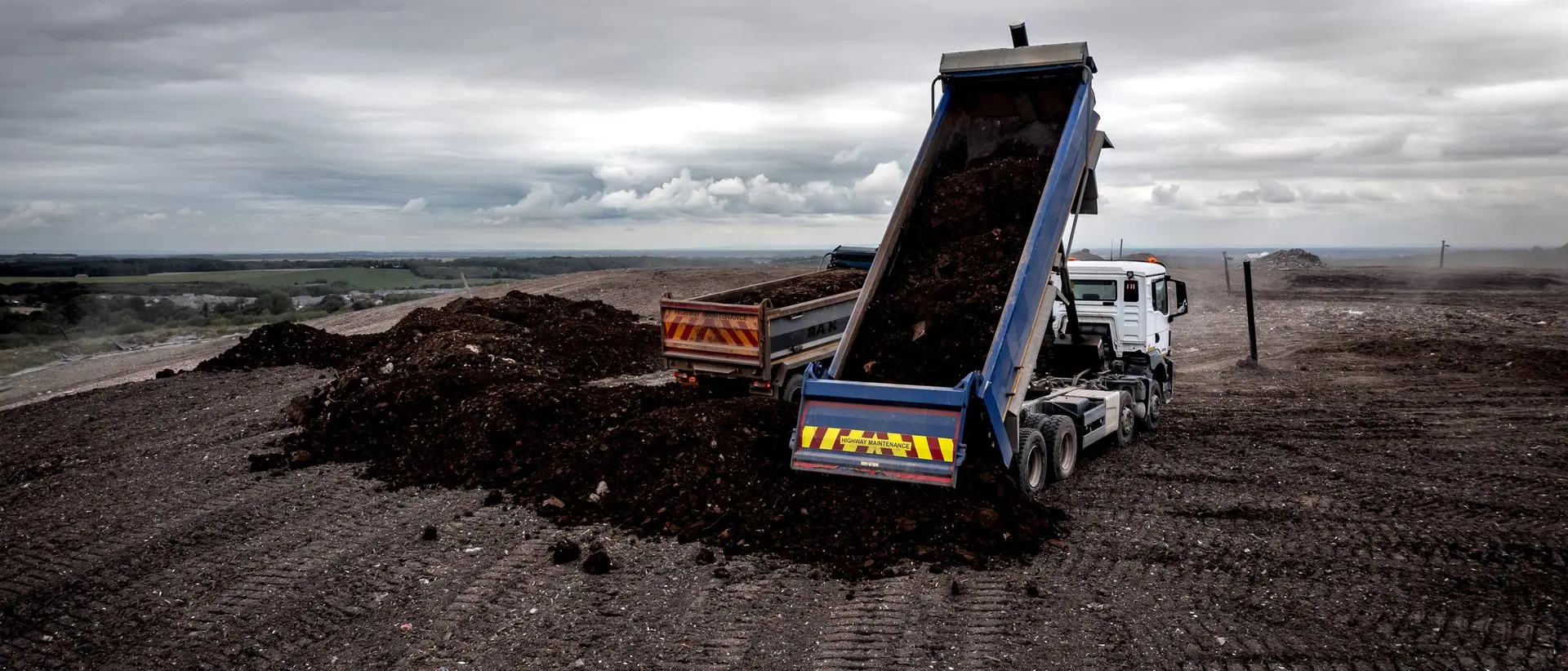
Tipper truck discharging excavated soil at a receiving facility

Common Risks We Help Prevent

Poorly managed contaminated soil can result in:

  • Rejected loads due to incorrect classification
  • Rehandling caused by facility acceptance mismatches
  • Construction program delays
  • Non-compliant disposal outcomes
  • Audit and regulatory exposure

Early assessment, confirmed pathways, and controlled transport reduce these risks before excavation begins.

What We Need to Get Started

To confirm the correct management pathway early, EBH typically requires:

  • Environmental site investigation (ESI) or classification reports
  • Remediation action plans (where applicable)
  • Estimated soil volumes and excavation timelines
  • Site access and logistics constraints

Providing this information upfront helps reduce uncertainty and avoid rehandling once excavation begins.

What This Service Includes and Excludes

Included:

  • Contaminated soil management coordination
  • Classification-aligned transport and disposal pathways
  • Documentation and compliance support
  • Remediation execution
  • Site investigation or laboratory testing
  • On-site contamination treatment works

Not included:

Where excavation forms part of a broader remediation strategy, soil movements are coordinated to align with approved remediation action plans. Where remediation is required beyond soil management and disposal, this is addressed through contaminated land remediation services.

Who This Service Is For

Our contaminated soil management services support:

  • Civil contractors delivering infrastructure projects
  • Utilities managing trenching and asset upgrades
  • Developers requiring compliant soil contamination management
  • Projects operating under strict NSW EPA oversight

This service supports civil contractors and utilities operating across NSW.

Cost Considerations for Contaminated Soil Removal

Hazardous contaminated soil removal costs vary depending on:

  • Contamination classification
  • Treatment or disposal requirements
  • Transport distance
  • Facility acceptance conditions

Early assessment and pathway confirmation help reduce cost exposure and avoid delays later in the project lifecycle.

Contaminated Soil Management You Can Rely On

Contaminated soil management requires more than transport and tipping. It requires regulatory awareness, process control, and documented accountability at every stage.

EBH Recycling delivers contaminated soil management NSW-wide with clarity, compliance, and operational certainty, helping projects move forward without unnecessary risk.

To confirm the appropriate pathway before excavation begins, speak with our team.

Complete to Receive a Call

This site is protected by reCAPTCHA and the Google Privacy Policy and Terms of Service apply.

More of our services

All services