Skip to content

Construction Waste Recycling

You already know where construction waste ends up if nobody sorts it. The question is what that costs you on the freight line, and whether the paperwork holds when a client, a certifier, or the NSW EPA asks to see it.

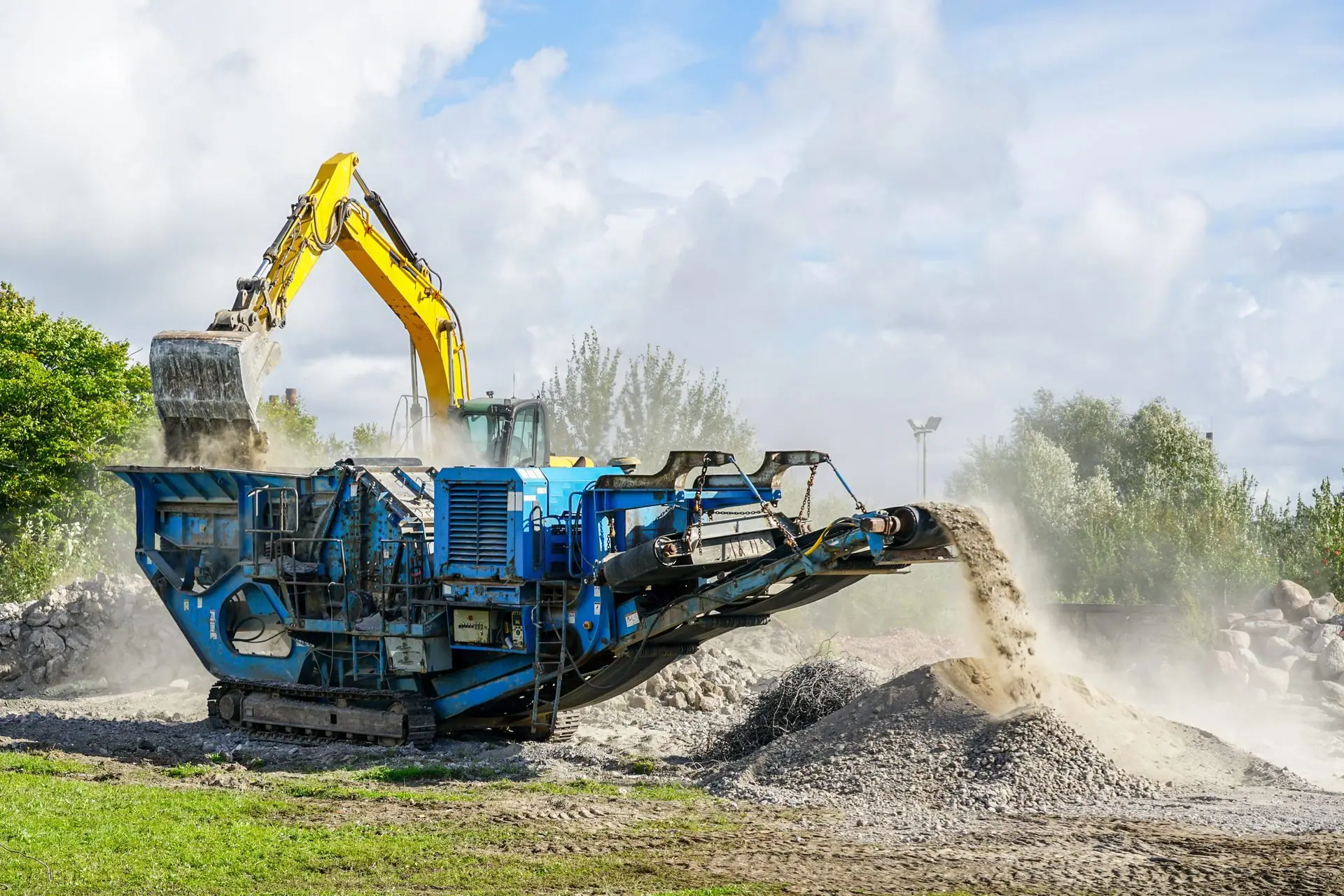
Mobile crusher processing concrete demolition debris

Avoid the Cost of Last-Minute Waste Sorting

Sort your concrete from treated timber before it leaves site. That one step saves money at the gate, because mixed C&D waste costs more to grade and handle at the weighbridge.

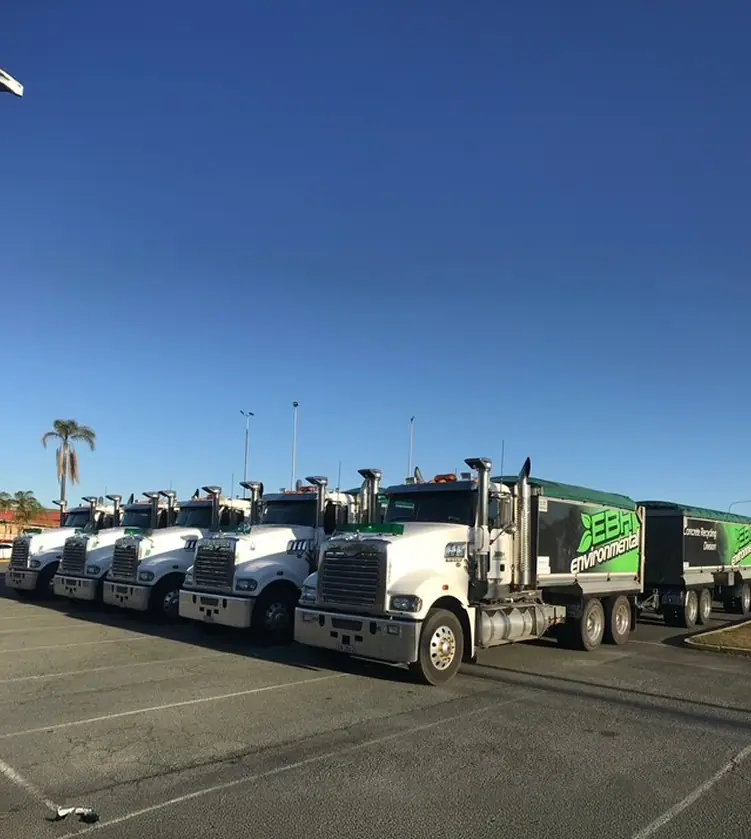
EBH Environmental's yard at North Wyong sits close to your site, and we track every load of construction waste from the weighbridge through to wherever it ends up.

A close yard keeps freight costs down, and a yard that writes down what happens to your C&D waste keeps you in the clear when someone asks for the trail.

Most of the builders we work with only think about where the bin goes once it is already full, and that is exactly when sorting gets costly.

Part of EBH's broader recycling and waste work.

What Construction Waste Recycling Covers

Construction waste recycling at North Wyong covers the full run from gate intake through to reuse or lawful throwaway, backed by a written trail at every step.

  • Mixed construction and demolition waste (C&D / C D waste) sorting and reuse
  • Concrete, brick, asphalt, and stonework crushed into road base, bedding sand, and select fill
  • Treated and untreated timber, kept as their own streams
  • Dirty and dug-up soil graded and handled through lawful pathways
  • Weighbridge dockets, chain-of-keeping records, and EPA-ready reporting

Every load gets sorted, graded, and docketed. We handle C&D recycling from weighbridge in to wherever the material winds up.

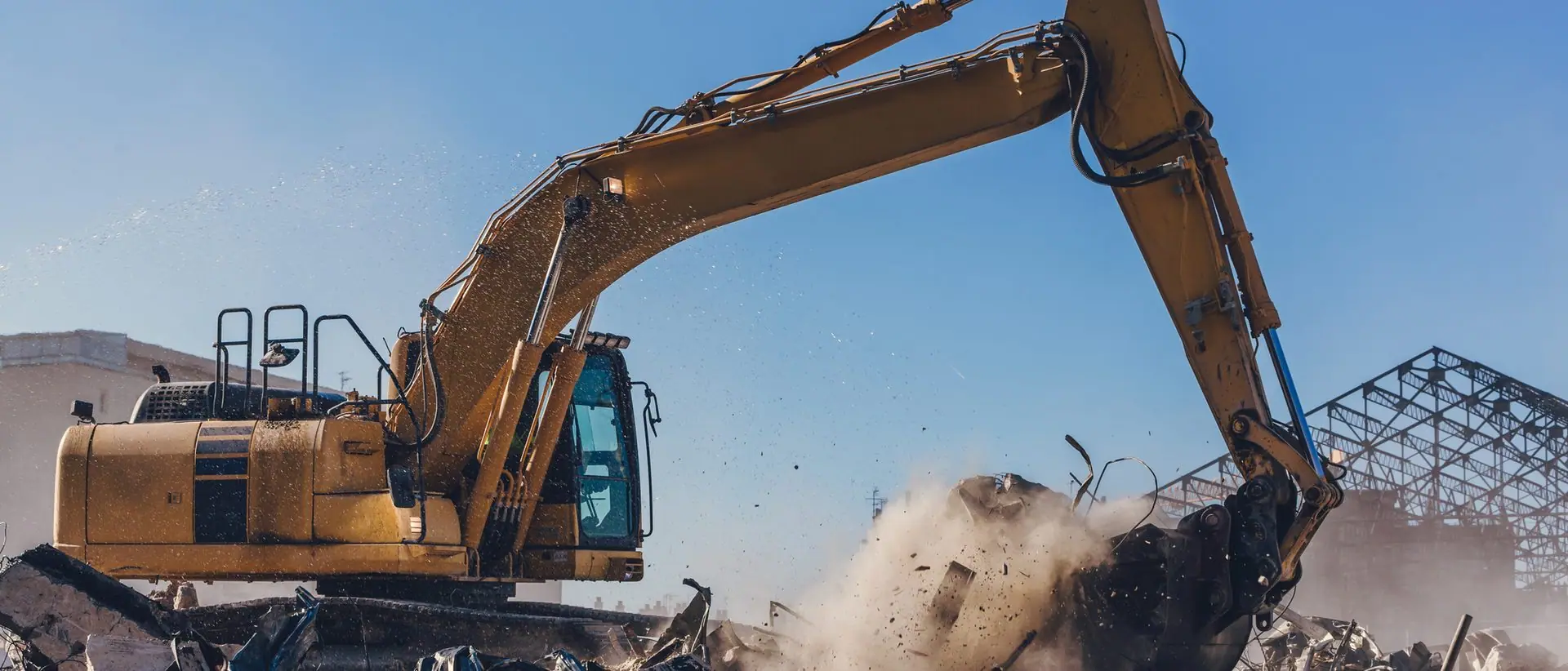
Excavator working on a demolition site

Why a Nearby Yard Cuts Your Costs

Your trucks spend less time on the road when the yard is close, and that shows up on the bill. A Sydney outfit picking up construction waste on the Central Coast hauls it back down the M1 before anyone sorts it.

EBH Environmental's yard sits on the Central Coast itself, at North Wyong, so the run from Wyong, Berkeley Vale, Gosford, or Tuggerah is short. Fewer truck hours mean a lower freight line on the job.

Civil builders, power and water crews, land developers, and government works across NSW already use the yard. So does the homeowner booking a single skip.

Waste Kept from Landfill and Reporting

Your waste plan, Green Star bid, or ESG report needs a real diversion number behind it.

In the Australia construction demolition waste recycling market, C&D waste made up 45% of the country's core waste in 2020 to 2021, and the sector fed 50% of everything clawed back nationally, per Planet Ark's rundown of the National Waste Report.

  • 85%+ of incoming construction waste kept from landfill, turned into road base, crushed stone, bedding sand, and built-up fill
  • Reporting shaped to fit your waste plan, Green Star, or ESG
  • Every load tracked from intake through to reuse or throwaway, with dockets on ask

Set your Green Star account up from the first load rather than stitching it back together after the job wraps.

Truck Way In and Yard Layout

Truck way in at North Wyong suits everyday trade and civil traffic. The yard sits at 60 Donaldson St and takes big rigs day in, day out.

  • Mon to Fri 6:30am to 4:30pm, Sat 7am to 12pm
  • Semi-trailer and B-double way in
  • Under 15 minutes for a standard tip
  • Sealed hardstand, all-weather way in

Running a few trucks a day? Set up a standing account with pre-cleared grading. EBH handles the haulage and routing.

Soil Clean-Up and Spoil Handling

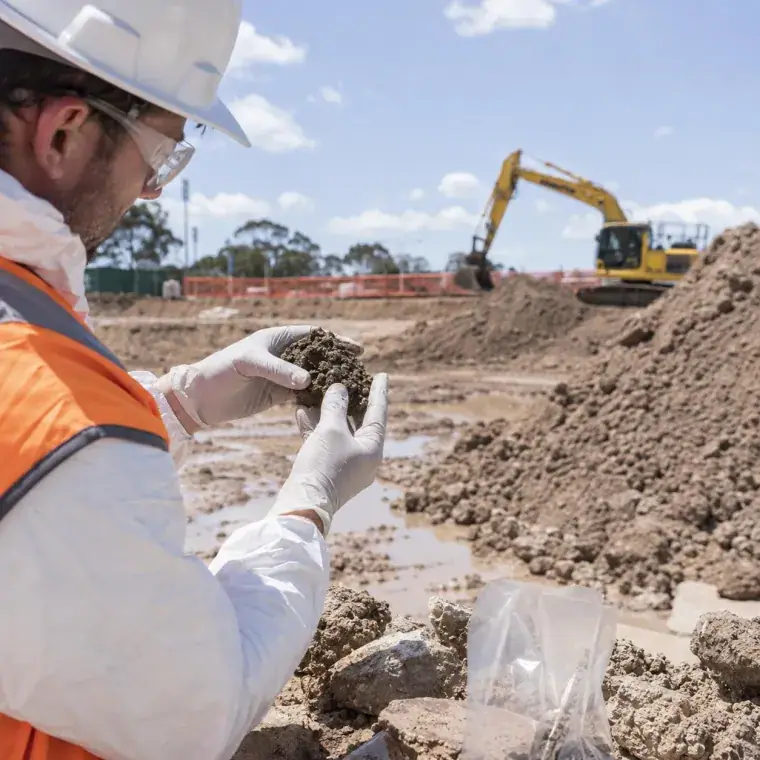
Soil clean-up and spoil handling are where the nearby footprint pays off most. Excavation, piling, and geotechnical work throw off heavy material that a lot of general C&D yards will not touch.

EBH handles contaminated and classified soils at North Wyong, so a heavy stream does not pay long-haul freight to end up somewhere else.

  • Intake benchmark checked before the load leaves site
  • Haulage set up
  • Chain-of-keeping oversight at tip
  • Paperwork handed over at the end

Half the yards around Sydney quote a price, then tack on extras once they see the soil classification. Doing it locally with a yard that already handles classified material heads that off.

The Tipping Steps at North Wyong

The tipping run is straightforward. Every load follows the same weighbridge flow.

  1. 1Cross the weighbridge in.
  2. 2Tip at the bay that matches your stream (mixed rubble or soil).
  3. 3Cross the weighbridge out.
  4. 4Take your docket on the spot.

Soil and dirty stuff get closer handling. We check each load against what it says it is before it hits the tipping floor. Not after.

One rule keeps costs down: keep loads flat with the top of the bin sides, not heaped.

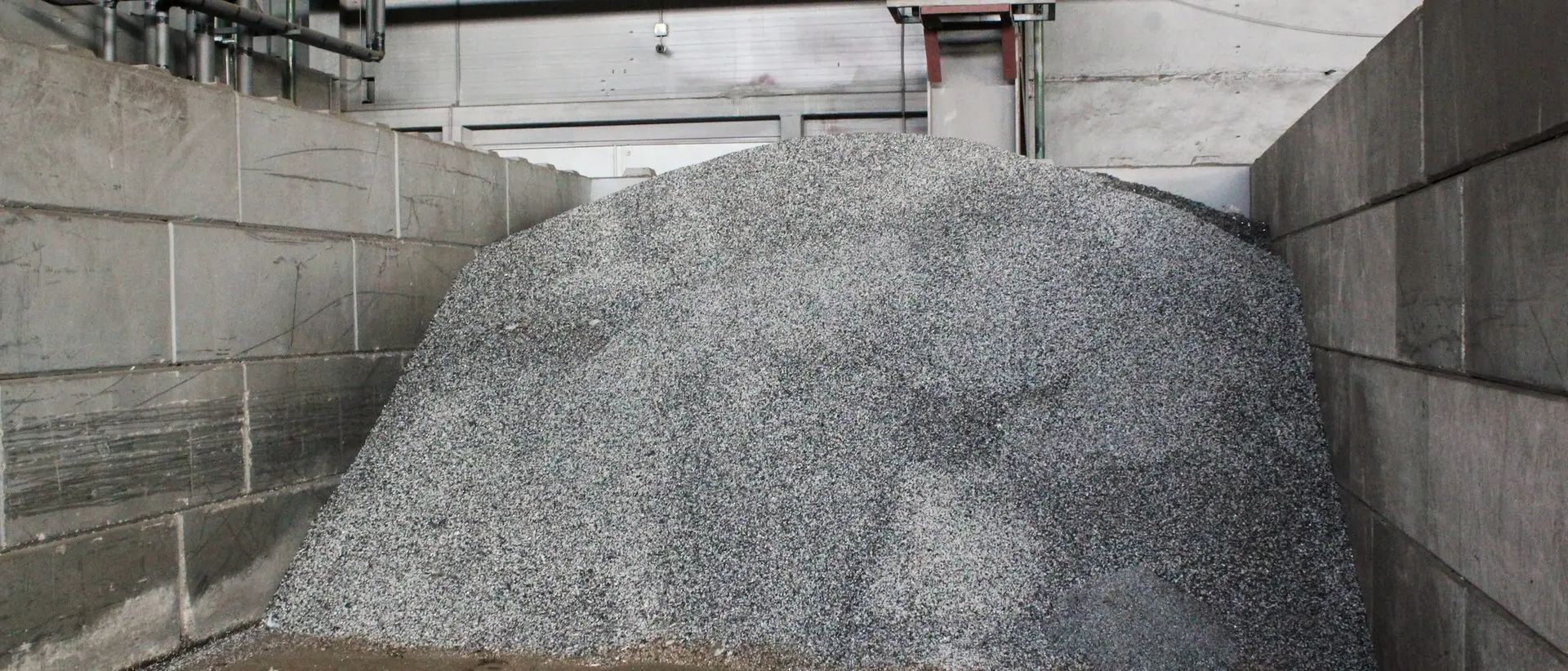
Processed crushed aggregate stored in a bunker bay

What We Take and What We Don't

What we take and what we turn away sorts out fast at the gate. Builders get a straight answer, not a phone call to head office.

Accepted:

  • Concrete, brick, stonework, mixed rubble → road base, subbase, select fill
  • Asphalt (flag big loads beforehand)
  • Tiles and earthenware
  • Clean, raw timber (reuse or mulching)
  • Treated timber (CCA, painted, sheeted) as its own stream
  • Glass → bedding sand
  • Dug-up soil / spoil (VENM, ENM), graded on arrival
  • Dirty or held-back soils (needs a grading report)

Not taken, or held back:

Asbestos (bonded or loose) in a mixed load: not taken loose. Must be cleared first, wrapped, and logged. Food waste, liquids, blasting gear, gas bottles, spray cans, paint, oil, thinners, chems, weed killers, radioactive waste, and hospital waste: not taken. Sheeting that might hold asbestos (Super6, Hardie-type fencing, pre-1990 fibro): treated as asbestos until proven otherwise. Unlabelled dirty soil: must be graded before we take it.

Trace asbestos or a surprise find taints the whole load. We add a clean-up fee, and that fee falls on whoever filled the bin. Since 2018, fines for unlawful dumping of asbestos waste reach $2 million for a business and $500,000 for a person, under NSW law.

If a knockdown job touches anything built before 1990, set aside time for a grading check. Nobody wants the asbestos talk to be the first talk on a job. Have it before work starts, not after the truck is loaded.

Bin Sizes, Drop-Off, and Pickup

Bin sizes lock in per booking against the job's rundown and tax bill, matched to what you are throwing out and how much of it.

  • Drop-off on the agreed day, to a flat, reachable spot
  • Flag way-in limits, timing windows, and underground pipes beforehand
  • Pickup needs 24 hours' heads-up
  • Stretching the hire? 24 hours' heads-up before the set pickup day

Without that heads-up, a call-out fee kicks in, plus daily hire until you give the all-clear.

Central Coast and Sydney Reach

The Central Coast reach is where the freight edge bites hardest: Wyong, Berkeley Vale, Gosford, Tuggerah, Wyoming, and nearby suburbs.

  • Central Coast jobs with the shortest runs and the best pricing
  • Sydney-wide and broader NSW civil, rail, airport, and government jobs
  • Haulage and routing handled

A Central Coast job is where the pricing plainly beats a Sydney outfit sending trucks north to pick up and south to sort.

Who This Is For

There is no smallest job size. Big civil outfits run through the same yard as single-bin home bookings.

  • Civil builders of every size
  • Power, water, and trenching crews
  • Land developers handling lawful soil throwaway
  • Councils and government jobs
  • Rail, airport, and road-corridor work
  • Home renovators and owner-builders

Bookings run one-off, job-by-job, or as set ongoing pickups for longer civil and knockdown runs.

Booking and Paperwork Steps

The paperwork steps close out every job with a full written trail.

  • Tax bill and job rundown
  • Waste hauling and chain-of-keeping records
  • Yard intake proof and throwaway or reuse dockets
  • Soil grading and throwaway reporting for audit or DA sign-off
  • Kept-from-landfill or ESG reporting on ask

Steps

  1. 1Get in touch with what you are tipping and where the site is.
  2. 2Send reports upfront if soil or iffy stuff is in play.
  3. 3Lock in the tax bill and job rundown.
  4. 4Take drop-off, use, and pickup with 24 hours' heads-up both ways.
  5. 5Take your dockets and reporting once we close the job out.

[FAQS]

FAQ: Builders Ask Us

How do you recycle construction waste at North Wyong?

Mixed construction waste goes through sorting at the yard. We pull out concrete, brick, timber, glass, and asphalt for C&D recycling, crush the stone into road base and bedding sand, and send the rest through lawful throwaway pathways.

How do you recycle waste from construction and teardown jobs?

Concrete, brick, and stonework get crushed into road base, subbase, select fill, and bedding sand. Clean timber goes to reuse or mulching. Glass gets crushed into bedding sand.

What happens if a load is dirty or has asbestos?

Trace asbestos or a surprise find taints the whole load. We add a clean-up fee, and that fee falls on whoever filled the bin. If there is any doubt, get it graded before it hits the weighbridge.

Do you give reporting for Green Star or ESG?

Yes. We shape reporting to fit your waste plan, a Green Star bid, or in-house ESG reporting, backed by chain-of-keeping dockets.

Can you handle big civil and government jobs?

Yes. Civil builders, power and water crews, councils, rail, airport, and road-corridor work all run through the same yard and weighbridge as single-bin home bookings.

Getting Your Next Load to North Wyong

Getting your next load to North Wyong looks the same whether you tip a single skip of mixed rubble or run an ongoing civil job throwing off dirty soil and mixed C&D waste. Same yard, same weighbridge, same written trail.

For a Central Coast job, a short run and a written-down flow keep the freight bill and the rule-keeping risk where you want them.

The stakes are real. In February 2026, the NSW EPA hit a skip bin outfit with a $30,000 fine after a truck got caught dumping roughly ten tonnes of building waste, asbestos and all, at an unlawful site near Wollongong. A clean-up order landed on top. Whoever books the pickup wears the blame for where the load winds up.

To talk through your next job, speak with our team.

Complete to Receive a Call

This site is protected by reCAPTCHA and the Google Privacy Policy and Terms of Service apply.