
Skip to content

Soil Disposal

Soil disposal is the final regulated step for excavated material that cannot be reused, treated, or recycled. Once soil has been classified, it must be directed to an approved disposal pathway that meets NSW EPA requirements, facility acceptance criteria, and project reporting obligations.

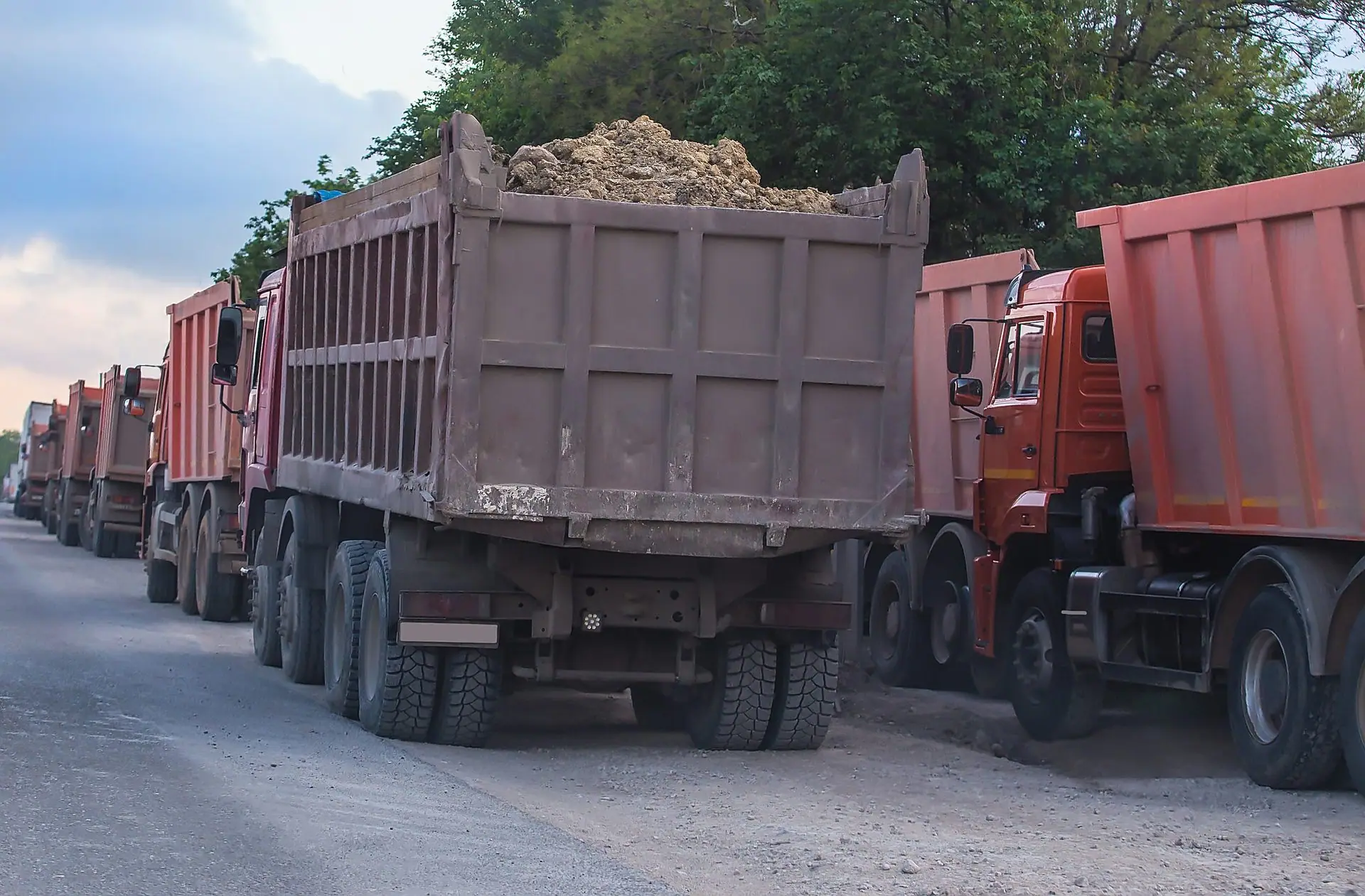
Soil tipped from a truck into a stockpile on a construction site

EBH Recycling delivers soil disposal NSW-wide, supporting civil and infrastructure projects that require certainty around classification, acceptance, and compliant tipping. Our soil disposal services ensure excavated soil is directed to the correct facility the first time, with full traceability from site to disposal.

For regulated projects, soil disposal operates as the execution endpoint within a broader contaminated soil management framework.

Confirming disposal pathways early reduces rejection risk and avoids rehandling once excavation begins.

What Soil Disposal Covers

Soil disposal refers to the compliant tipping of excavated soil at a licensed waste facility where reuse or treatment is not permitted under NSW regulations.

At EBH, soil disposal applies to material classified as:

  • VENM (Virgin Excavated Natural Material) where reuse is not viable
  • ENM (Excavated Natural Material) exceeding reuse thresholds
  • Restricted solid waste (RSW) soil
  • Hazardous soil requiring controlled disposal

Disposal pathways are determined by waste classification soil outcomes, not by project size or excavation method.

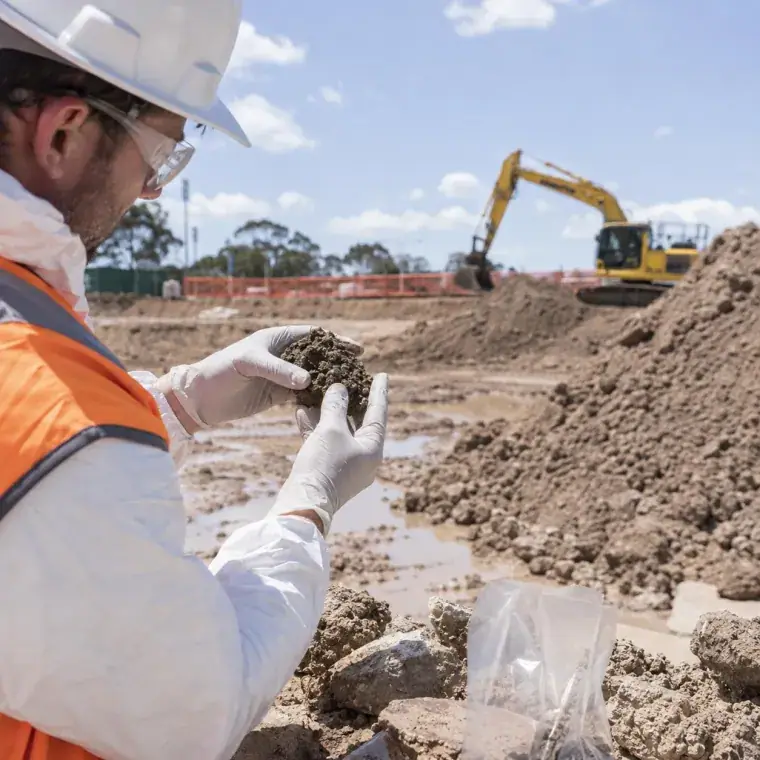
Soil samples being prepared for laboratory analysis

Soil Disposal in NSW

Soil disposal NSW projects operate under strict landfill disposal regulations and NSW EPA disposal guidelines. Acceptance depends on soil contamination classification, waste codes, and facility-specific conditions.

EBH manages soil disposal in line with:

  • NSW EPA classification thresholds
  • EPA approved disposal facility requirements
  • Restricted and hazardous soil disposal controls
  • Site contamination disposal processes

Early acceptance confirmation reduces the risk of rejected loads, program delays, and non-compliant tipping.
Soil Classification and Disposal Pathways

All compliant soil disposal begins with classification.

Before soil is transported or tipped, it must be classified to determine whether it can be accepted as VENM, ENM, restricted solid waste, or hazardous waste soil.

In simple terms:

  • VENM / ENM may be accepted at facilities with reuse or low-risk disposal approvals
  • Restricted solid waste (RSW) requires licensed facilities with tighter controls
  • Hazardous soil is subject to strict acceptance, handling, and reporting requirements
  • Soil contamination classification outcomes
  • Waste classification guidelines
  • Landfill acceptance criteria
  • Licensed waste facility NSW requirements

EBH aligns soil disposal with:

Classification support is coordinated through contaminated soil assessment where required.

Soil Disposal Facilities and Acceptance

Soil can only be disposed of at facilities licensed to accept its classification.

EBH coordinates disposal through soil disposal facilities NSW-wide, ensuring:

  • Material is accepted under the correct waste category
  • Tipping complies with landfill disposal regulations
  • Waste tracking documentation is completed accurately
  • Chain of custody transport is maintained from site to facility

Acceptance is confirmed prior to excavation to minimise rejection and rehandling risk.

Soil Disposal for Construction and Civil Projects

Soil disposal for construction sites requires close coordination between excavation, transport, and facility acceptance.

EBH supports:

  • Bulk soil disposal for large-scale excavation works
  • Excavated soil disposal for civil infrastructure projects
  • Compliant soil disposal for councils and developers
  • Disposal planning for utilities trenching and asset upgrades

This ensures disposal pathways align with construction programs and regulatory oversight.

EPA Compliant Soil Disposal Process

Soil disposal is a controlled process governed by acceptance, transport, and documentation requirements.

Our Soil Disposal Process

  1. 1Review soil classification and disposal requirements
  2. 2Confirm acceptance criteria with an EPA approved disposal facility
  3. 3Coordinate soil disposal and transport logistics
  4. 4Manage soil tipping services under chain of custody controls
  5. 5Deliver soil disposal reporting and compliance documentation

This process supports EPA compliant soil disposal without unnecessary disruption to construction programs.

Transport interfaces are managed through contaminated soil transport and integrated transport logistics operations.

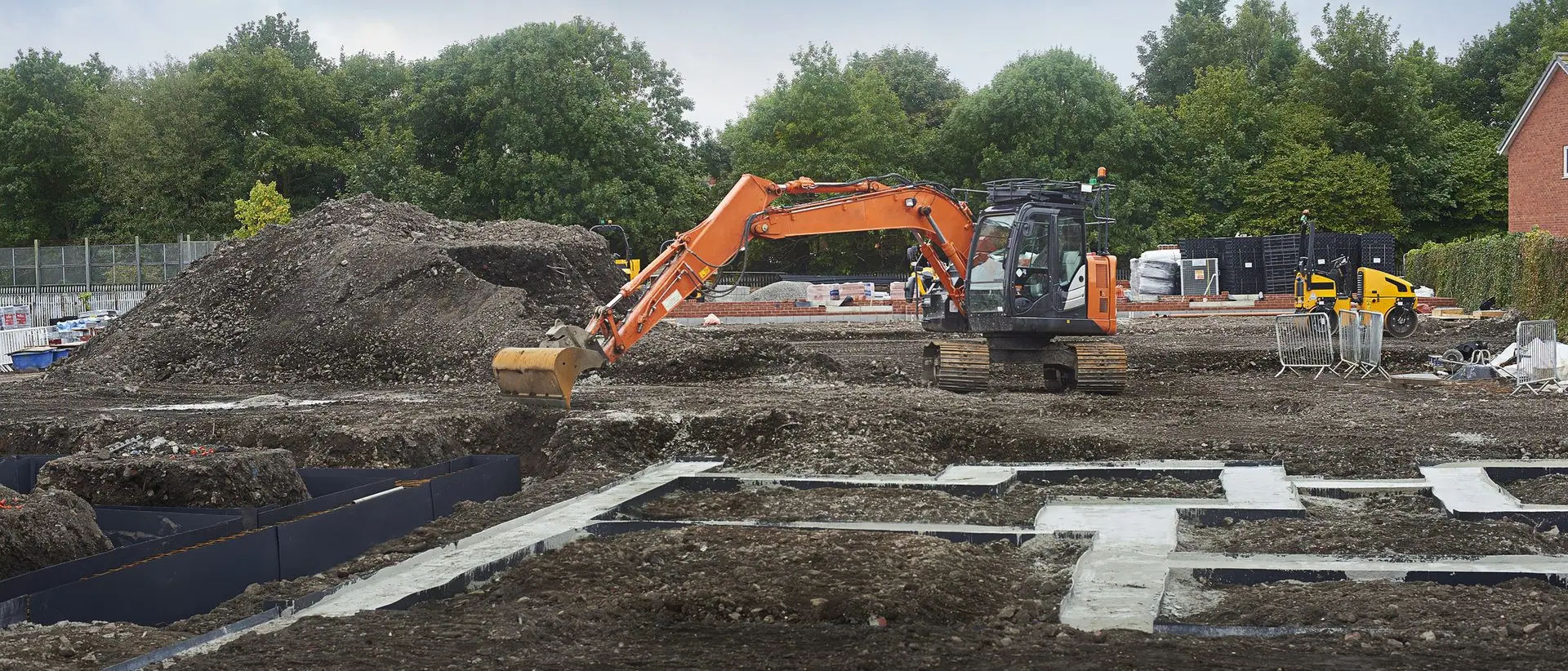
Excavator working bulk earthworks on a construction site

Common Risks We Help Prevent

Poorly managed soil disposal can result in:

  • Rejected loads due to classification or acceptance mismatches
  • Rehandling caused by incorrect facility selection
  • Construction program delays
  • Non-compliant disposal outcomes
  • Audit and regulatory exposure

Early classification, confirmed acceptance, and controlled disposal pathways reduce these risks before soil leaves site.

Documentation and Reporting

Soil disposal generates regulatory obligations beyond tipping.

As part of our soil disposal services, EBH provides documentation to support:

  • Waste tracking documentation
  • Disposal dockets and facility records
  • Chain of custody verification
  • Soil disposal reporting requirements for audit and compliance

For complex or high-risk projects, environmental compliance support provides additional assurance.

What We Need to Proceed with Soil Disposal

To confirm disposal pathways early, EBH typically requires:

  • Soil classification reports or waste codes
  • Estimated volumes and excavation schedules
  • Site access and loading constraints
  • Project-specific reporting or audit requirements

Providing this information upfront helps avoid delays and non-compliant outcomes once excavation begins.

Cost Considerations for Soil Disposal

Soil disposal costs vary depending on:

  • Soil classification and contamination level
  • Disposal facility acceptance criteria
  • Transport distance and tipping fees
  • Documentation and reporting requirements

Hazardous contaminated soil disposal costs are driven by classification and facility controls rather than volume alone. Early planning helps manage cost exposure.

Who This Service Is For

Our soil disposal services support:

  • Civil contractors delivering infrastructure works
  • Utilities managing trenching and network upgrades
  • Councils and developers requiring compliant soil disposal
  • Projects operating under NSW EPA oversight

Soil Disposal You Can Rely On

Soil disposal is the final point of accountability in the excavation process. Errors at this stage can result in rejected loads, regulatory exposure, and costly delays.

EBH Recycling delivers soil disposal NSW-wide with clear classification alignment, confirmed acceptance, and complete documentation, ensuring excavated soil is disposed of correctly and without unnecessary risk.

To confirm disposal pathways before excavation begins, speak with our team.

Complete to Receive a Call

This site is protected by reCAPTCHA and the Google Privacy Policy and Terms of Service apply.

More of our services

All services