Skip to content

Transport & Logistics

Transport and logistics for regulated materials require more than trucks and schedules. On civil, infrastructure, and remediation projects, materials must be moved under strict controls, tracked from origin to destination, and routed only to approved facilities.

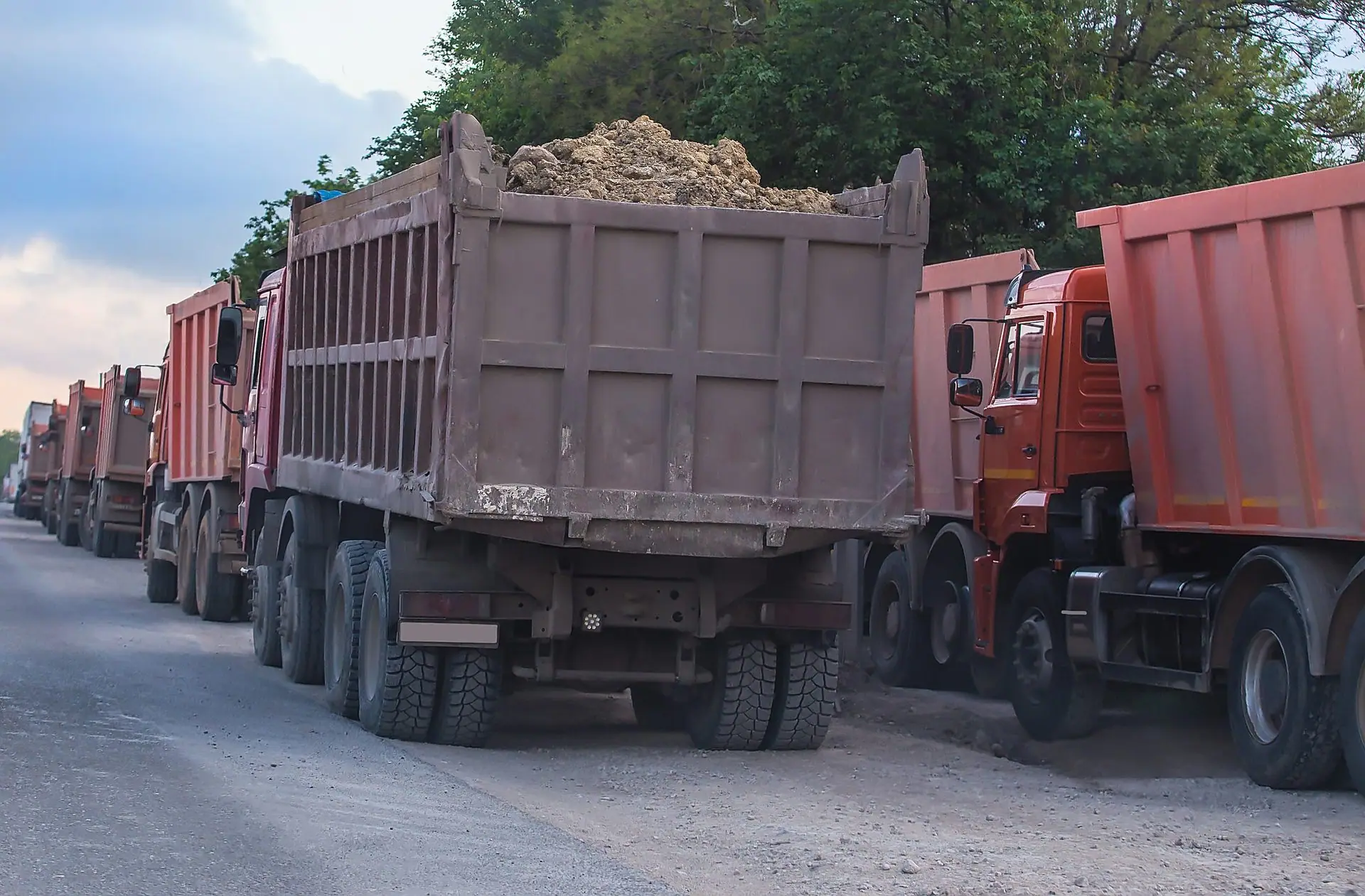
Convoy of tipper trucks on the road

Early logistics coordination reduces re-handling, access conflicts, and compliance risk.

EBH Recycling delivers transport and logistics services NSW-wide, supporting projects that require regulated waste transport, controlled haulage, and compliant logistics coordination. Our role is to move regulated materials safely, traceably, and in line with EPA requirements — not to provide general freight or commercial haulage.

Transport and logistics operate as a core capability within EBH’s broader environmental remediation and civil remediation delivery framework.

What Regulated Transport & Logistics Covers

Regulated transport and logistics refers to the controlled movement of waste, soil, and regulated materials in accordance with classification, tracking, and disposal requirements.

At EBH, transport and logistics services NSW cover:

  • Waste transport services NSW
  • Regulated waste transport NSW
  • EPA compliant waste transport services NSW
  • Waste transport to approved disposal facilities NSW
  • Waste transport and compliance support NSW

All movements are managed under documented chain-of-custody frameworks and approved routing pathways.

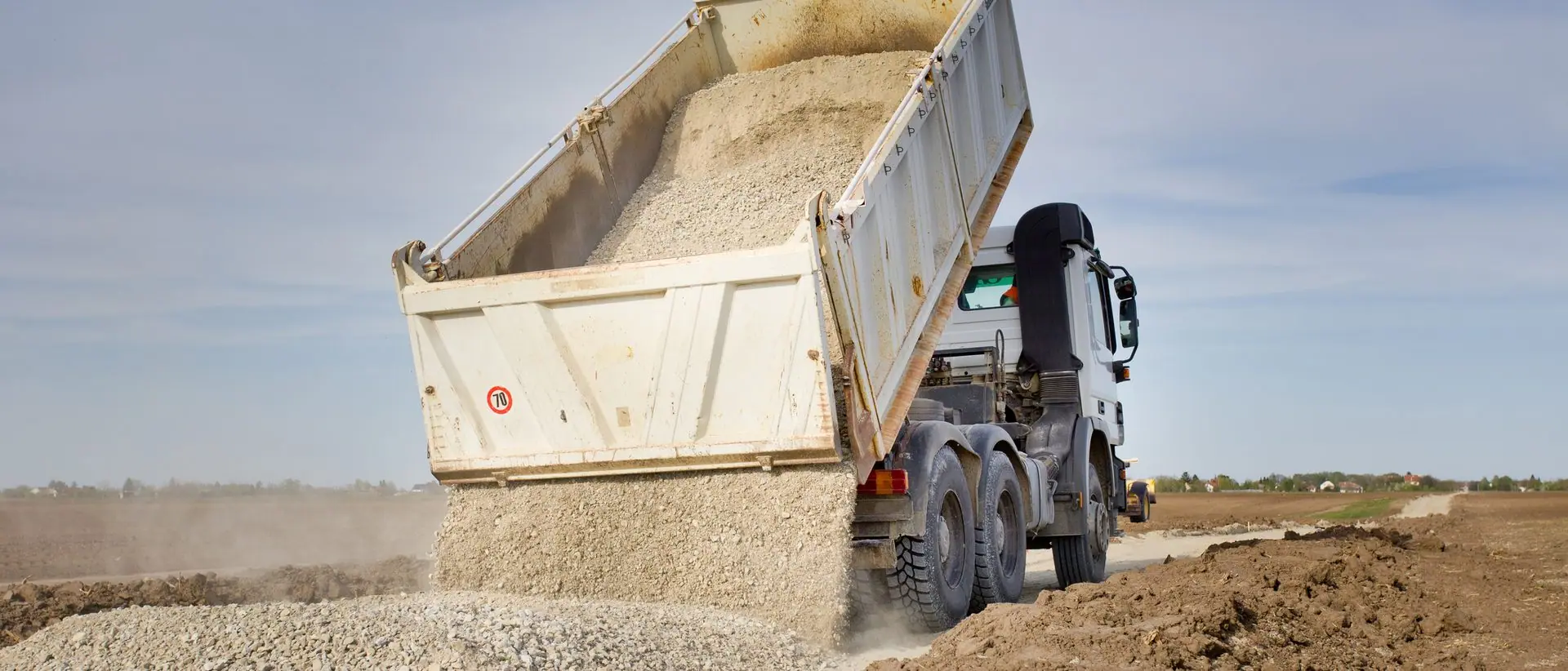
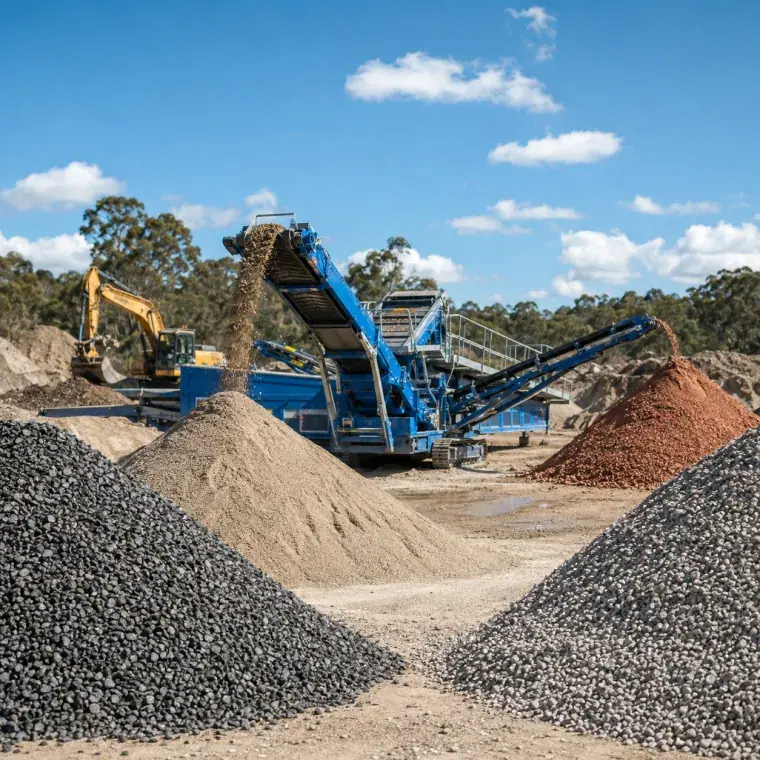
Truck discharging a load of aggregate

Licensing, Compliance, and Chain-of-Custody Control

Transporting regulated materials requires licensed operators, compliant vehicles, and auditable tracking.

EBH’s transport and logistics operations are structured around:

  • Chain of custody waste transport
  • Licensed waste transport contractors NSW
  • Controlled waste haulage
  • Waste classification and transport requirements
  • EPA regulated waste tracking

Each movement is traceable from point of collection through to verified facility acceptance, reducing regulatory and project risk.
Waste Classification and Transport Requirements

Before any material is moved, its classification determines how it must be handled, transported, and routed.

EBH supports logistics for:

  • Restricted solid waste transport pathways
  • Hazardous and contaminated waste logistics
  • Spoil management and haulage coordination

Classification outcomes directly inform vehicle selection, routing controls, facility approvals, and documentation requirements.

Approved Facility Routing and Tipping Coordination

Regulated materials must be delivered only to facilities approved to receive them.

EBH coordinates:

  • Approved disposal facility routing
  • Tipping and disposal logistics services
  • Waste levy and disposal compliance

Where specialist handling is required, transport integrates with contaminated waste transport and tipping and disposal logistics under clearly defined scope.

EBH coordinates compliant transport and routing. We do not own or operate disposal facilities.

Transport & Logistics for Civil and Infrastructure Projects

On construction and infrastructure sites, logistics must align with staging, access windows, and program milestones.

EBH delivers compliant waste logistics for civil projects, including:

  • Construction waste haulage contractors NSW coordination
  • Civil excavation spoil transport services
  • Infrastructure waste transport operations

Logistics planning reduces queue times, prevents access clashes, and supports uninterrupted site progress across complex programs.

Coordination with Remediation, Soil, and Waste Services

Transport and logistics underpin many EBH services and must integrate seamlessly with site activities.

EBH’s logistics capability supports:

  • remediation and excavation sequencing
  • regulated waste removal and transport solutions
  • material movements aligned with project controls

Service-specific execution is delivered through dedicated pathways such as soil cartage and material transport, ensuring clear separation between logistics governance and waste-type services.

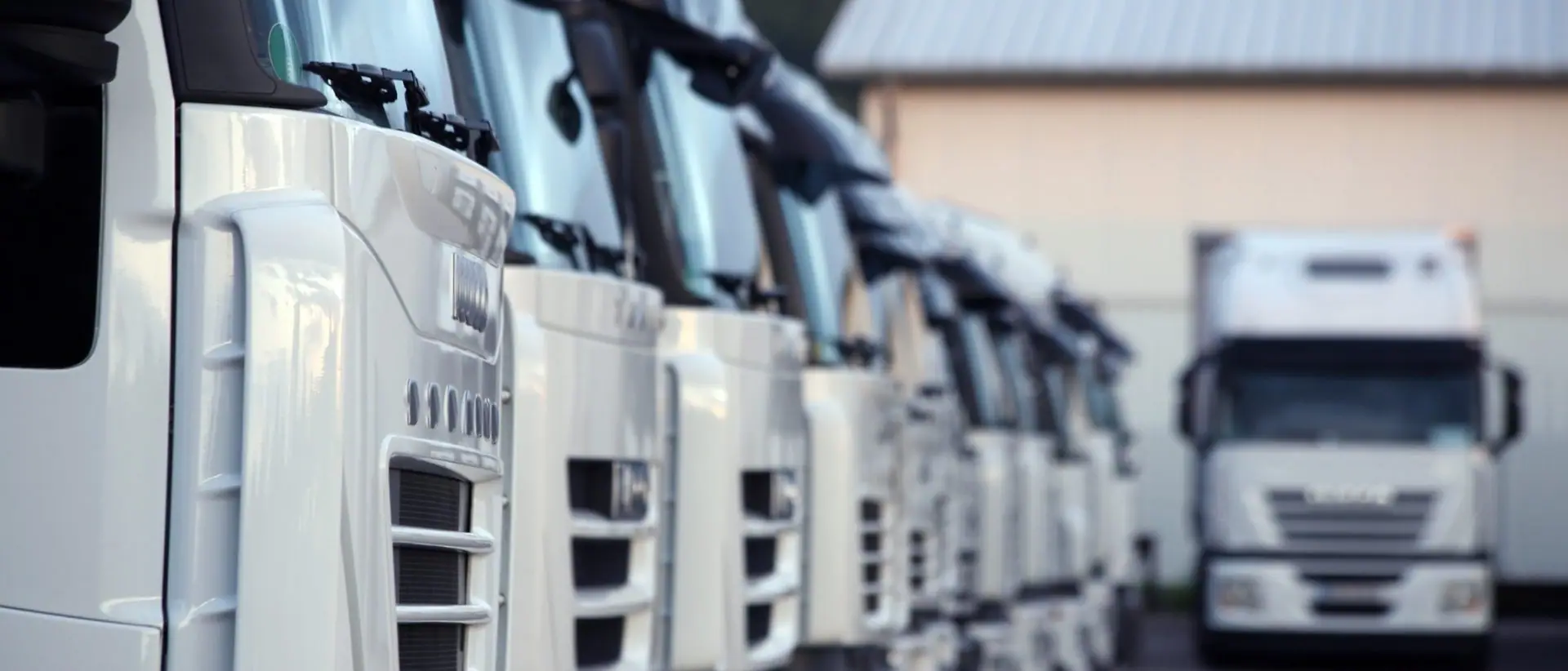
Line of heavy vehicles at a transport depot

Common Transport & Logistics Risks We Manage

Regulated transport projects can be impacted by:

  • Incorrect material classification prior to loading
  • Rejected loads at receiving facilities
  • Incomplete chain-of-custody documentation
  • Access windows and queue-time constraints
  • Facility capacity or routing changes
  • Re-handling due to poor staging or sequencing

Disciplined planning and compliance controls help mitigate these risks before they affect program delivery.

Compliance Support and Documentation

Transport compliance extends beyond delivery.

EBH supports:

  • Waste transport documentation and tracking records
  • Compliance alignment through environmental compliance support
  • Auditable records aligned with project and regulatory requirements

This documentation supports audits, reporting obligations, and project close-out.

What We Need From Site Teams

Effective transport and logistics rely on accurate inputs.

EBH typically requires:

  • Material classifications and estimated volumes
  • Approved receiving facility details
  • Site access constraints and staging requirements
  • Documentation and reporting expectations

Early coordination reduces rejected loads, re-routing delays, and compliance holds.

What You Receive

As part of our transport and logistics services, clients receive:

  • Compliant transport of regulated materials
  • Chain-of-custody tracking and traceable movements
  • Routing to approved disposal or recovery facilities
  • Transport documentation aligned with EPA and project requirements

This provides compliance assurance and program certainty.

Who This Service Is For

Our transport and logistics services support:

  • Civil contractors delivering infrastructure works
  • Utilities managing network upgrades
  • Transportation corridor projects
  • Rail infrastructure upgrades
  • Airports and operational assets

This includes regulated waste transport and logistics services NSW for civil contractors and licensed waste logistics partners for government projects.

[FAQS]

Frequently Asked Questions

How is regulated waste transport different from general haulage?

Regulated waste transport requires licensed operators, approved routing, documented tracking, and delivery to authorised facilities.

Do you transport contaminated and hazardous materials?

Yes. EBH coordinates hazardous and contaminated waste logistics through controlled pathways and approved facilities.

Can you support large civil excavation projects?

Yes. Logistics are planned to align with excavation staging, spoil volumes, and access constraints.

Do you provide chain-of-custody documentation?

Yes. All regulated transport includes traceable documentation aligned with compliance requirements.

Do you operate disposal facilities?

No. EBH coordinates transport and routing to approved third-party facilities only.

Transport & Logistics You Can Rely On

Moving regulated materials is about control, traceability, and compliance — not speed or volume alone.

EBH Recycling delivers transport and logistics services NSW-wide with disciplined planning, compliant execution, and clear documentation, supporting projects that cannot afford disruption or regulatory risk.

To discuss transport and logistics requirements for your project, speak with our team.

Complete to Receive a Call

This site is protected by reCAPTCHA and the Google Privacy Policy and Terms of Service apply.

More of our services

All services