Why Documentation Matters
Paperwork is easy to deprioritise when you’re chasing a program. Here’s why it shouldn’t be:
- The responsibility is yours. Under NSW waste legislation, the generator is responsible for classifying waste correctly, and for making sure it goes to a place that can lawfully receive it.
- Liability follows the waste owner. Under section 143 of the Protection of the Environment Operations Act 1997, both the transporter and the owner of the waste can be guilty of an offence if waste goes to a place that can’t lawfully receive it. The “owner” includes whoever owned the waste immediately before it was transported.
- It proves compliance in an audit. If the EPA asks how a load was classified, moved and disposed of, your records are the answer.
- Contracts may require it. Principals and head contractors often require disposal documentation as a condition of payment or practical completion.
Document 1: Soil Classification Report
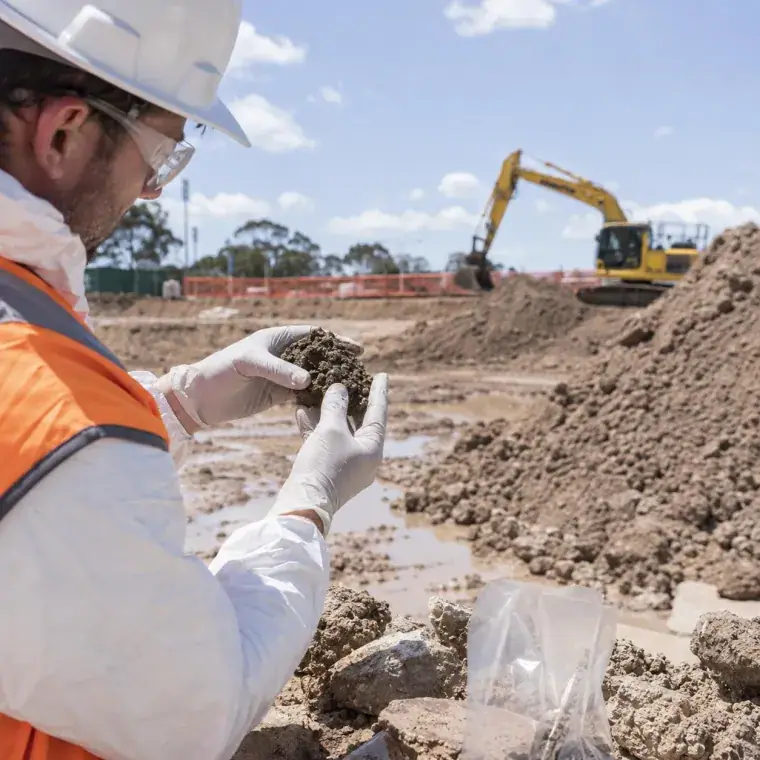
This is the environmental consultant’s report confirming how the soil is classified under the EPA’s Waste Classification Guidelines. The EPA expects a classification report to include:
- The sampling method, including pattern, depth, locations and procedures
- Laboratory documentation, including the lab’s chain-of-custody, sample receipt and lab report
- A clear statement of the waste’s classification as at the date of the report
Every other document depends on this one. If the classification is wrong, everything downstream is built on a faulty foundation. Keep it for the life of the project and beyond.
Document 2: Waste Tracking Records
Not all soil needs to be tracked, so confirm early whether yours does. In NSW, tracking applies to higher-risk waste, including soil contaminated with hazardous substances, and certain asbestos and out-of-state movements. Where it applies, the EPA’s Integrated Waste Tracking Solution (IWTS) is the online system for recording movements.
Tracking records typically capture the consignor, transporter, receiving facility, waste type and quantity for each load. If you track on paper rather than online, the EPA requires printed transport certificates to be kept for at least four years. If you use an authorised agent, keep a copy of your agreement with them for the same period. When you track online, the system retains transaction records automatically, but it’s still sensible to keep your own copies.
Document 3: Facility Acceptance Docket
Issued by the receiving facility when it accepts a load, this is arguably the most important document for proving compliant disposal. It shows that:
- The facility accepted the waste under the stated classification
- Disposal occurred at the facility you intended
Waste disposal dockets also feature in the EPA-aligned reporting checklists consultants use for remediation and validation work. If you can only produce one document in an audit, this is the one most likely to be asked for. Collect dockets at the time of disposal, not weeks later.
Document 4: Chain of Custody Records
Chain of custody is a best-practice record of the soil’s journey from excavation to facility acceptance, including any stockpiling or transfer points along the way. Not to be confused with the laboratory chain of custody in your classification report, which tracks the samples. This record tracks the load.
Gaps are what create risk. If soil changes hands, is stockpiled, or is transferred between vehicles without being recorded, you can’t show that what left your site is what arrived at the facility.
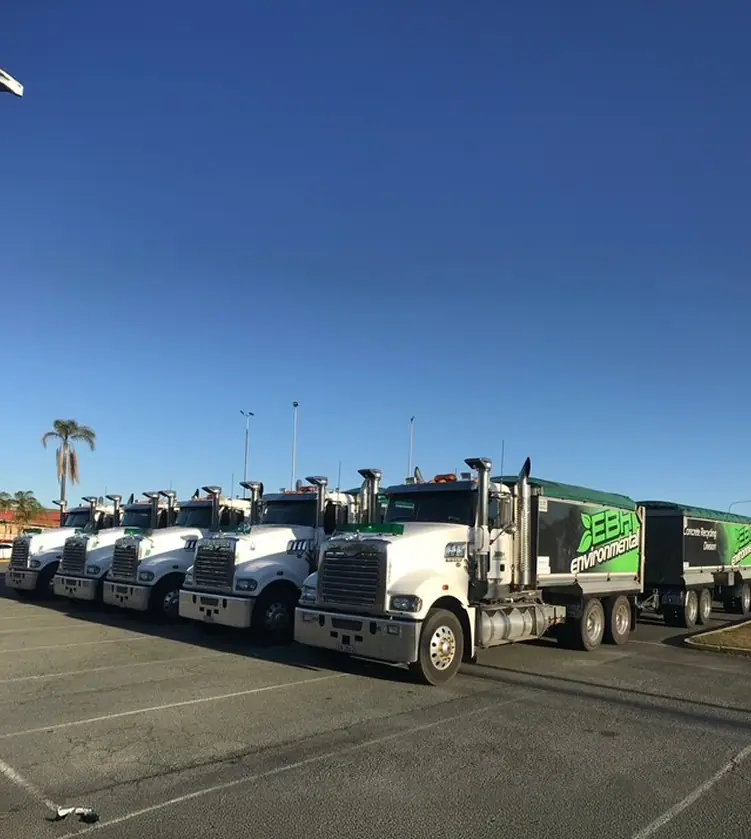
EBH Environmental provides full chain of custody documentation as part of our transport and logistics service, so the record is built as the work happens rather than reconstructed afterwards.
Document 5: Remediation Action Plan (RAP) and Site Investigation Reports
If a Remediation Action Plan was prepared for your site, your soil movements must align with it. Keep the RAP and related site investigation reports alongside your disposal records. Together they show that the way you managed and disposed of soil matched the approved remediation strategy, not just that the soil went somewhere lawful.
Document 6: Section 143 Notice (Where Relevant)
Where soil is going to a place that isn’t an obvious licensed facility, such as a private site receiving fill, a section 143 notice is a widely used record. It’s a written statement from the owner or occupier that the place can lawfully receive the waste. NSW councils and public agencies commonly require one. It doesn’t replace your own checks, but it is useful evidence that you took reasonable steps.
Document 7: Compliance Summary for Project Reporting
Some projects, particularly government and infrastructure contracts, require a formal compliance summary. It pulls the paperwork into one reference document covering:
- Waste classifications
- Volumes disposed
- Facilities used
- The status of supporting documentation
Even where it isn’t required, a summary is a useful internal control. It makes gaps visible before an auditor or principal finds them.
How Long Should Records Be Kept?
There’s no single retention period that covers every document. The one firm figure is for tracking records: at least four years for printed transport certificates and agent agreements. For everything else, a sensible approach is to keep records for as long as any liability associated with the site could reasonably continue, which is often well beyond practical completion.
This article is general information only and isn’t legal advice. Confirm your retention obligations with your environmental or legal advisors.
Common Documentation Mistakes
Not collecting facility acceptance dockets at the time of disposal. Chasing missing dockets months later is slow, and sometimes impossible.
Relying on the transport contractor to hold all records. Liability can follow the waste owner, so the exposure is yours. If your transporter closes, changes systems or can’t find the paperwork, you need your own copies.
Sending waste to a facility that can’t lawfully receive it. This is among the most serious errors. Check that the facility is lawfully able to accept your waste classification before the load leaves your site. For facilities without an EPA licence, the EPA recommends confirming they have council consent for that class of waste.