Definition of General Solid Waste Soil
General solid waste is one of six waste classes defined in the Protection of the Environment Operations Act 1997 (POEO Act) and applied through the EPA’s Waste Classification Guidelines. GSW soil is soil that has been chemically assessed and found to be within the EPA’s general solid waste thresholds. In practice, that means:
- It carries some contamination. Levels are typically above what ENM or VENM allow, but below the thresholds for restricted solid waste.
- It isn’t hazardous, but it isn’t clean fill. It can’t be reused as general fill.
- It must go to a facility licensed to accept it. The receiving facility’s licence must cover general solid waste.
Strictly speaking, VENM is itself pre-classified as general solid waste (non-putrescible), but it is natural, uncontaminated material with far more reuse options. When contractors talk about “GSW soil”, they usually mean soil with some level of contamination. Soil containing asbestos is different again. It’s special waste, with its own handling and disposal requirements.
What Triggers a GSW Classification?
Contaminant levels above clean fill criteria
Laboratory results show contaminants such as metals, hydrocarbons or PAHs above the ENM or VENM criteria, but within the EPA’s general solid waste limits. These are waste classification thresholds set out in the Guidelines. They’re separate from the NEPM criteria used to judge whether a site is suitable for a particular land use.
Previous industrial or commercial use
Workshops, fuel storage, manufacturing and similar activities can leave traces of contaminants in the soil, even where nothing is visible on the surface.
Imported fill from unknown sources
Fill of uncertain origin can contain contaminants or foreign material. Without documentation, it can’t be assumed clean.
GSW vs ENM vs RSW: Quick Comparison
| ENM | GSW soil | RSW | |
|---|---|---|---|
| Contamination level | Minimal. Meets the limits in the EPA’s ENM order | Low to moderate. Within general solid waste thresholds | Elevated. Exceeds general solid waste thresholds |
| Reuse permitted? | Yes, as engineering fill or in earthworks, under the ENM order and exemption | Not under the ENM pathway. Reuse only where another lawful approval applies | Generally no. Controlled disposal |
| Disposal facility requirements | Consumer must meet the exemption’s conditions | Facility licensed to accept general solid waste | Facility licensed for restricted solid waste, a smaller pool |
| Documentation | Sampling plan, NATA-accredited test results, written statement of compliance, six years of records | Classification report, facility acceptance documentation, transport records | Classification report, facility acceptance documentation, transport records |
Where Does GSW Soil Go?
Licensed landfill accepting GSW
This is the standard pathway. Always check the facility’s licence and current acceptance criteria. Some facilities use their own labels, such as “contaminated soil” or “low-level contaminated soil”, so confirm exactly what they will take.
Not as free fill on another site
GSW soil can’t simply be used as fill elsewhere. It’s an offence under the POEO Act to transport waste to a place that can’t lawfully receive it, and the waste owner can be liable as well as the transporter. Reuse is possible only with lawful authority, such as a relevant EPA resource recovery order and exemption or another approval.
Budget for the waste levy
Landfill disposal in much of NSW attracts the EPA waste levy on every tonne received. Rates are reviewed each year, so classification and pathway choice have a direct cost impact. Check the current rate for your project’s location.
Transport with a clear chain of custody
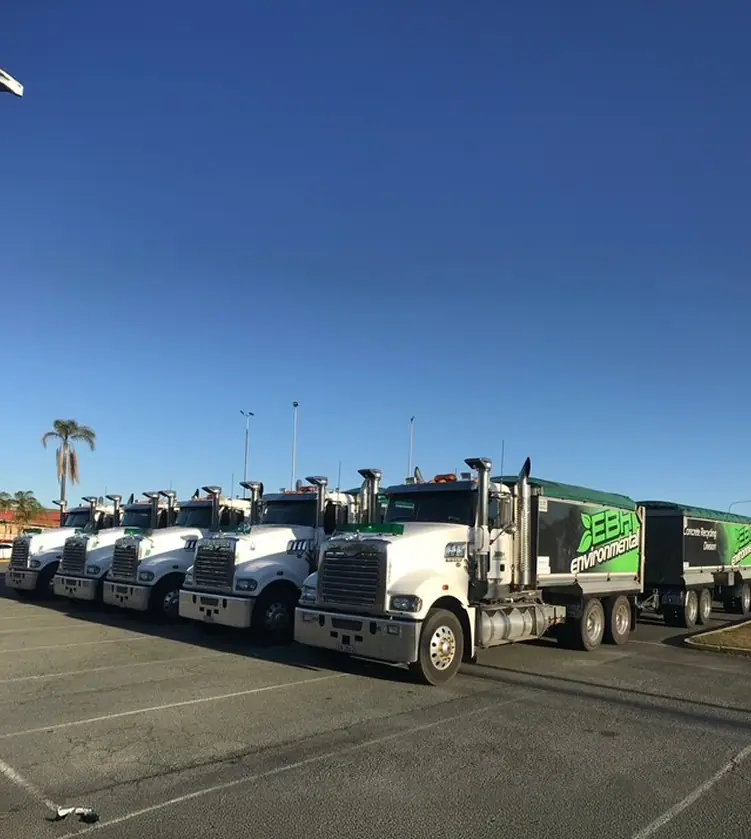
Statutory EPA waste tracking doesn’t generally apply to GSW soil. It applies to asbestos waste, waste tyres, hazardous and other trackable wastes, and some waste leaving NSW from the Metropolitan Levy Area. Even so, facilities and clients routinely expect documented movements from site to facility, and good records protect you if a load is questioned. EBH Environmental’s licensed haulage includes approved facility routing, tipping coordination and documented chain of custody.
What Documentation Is Required?
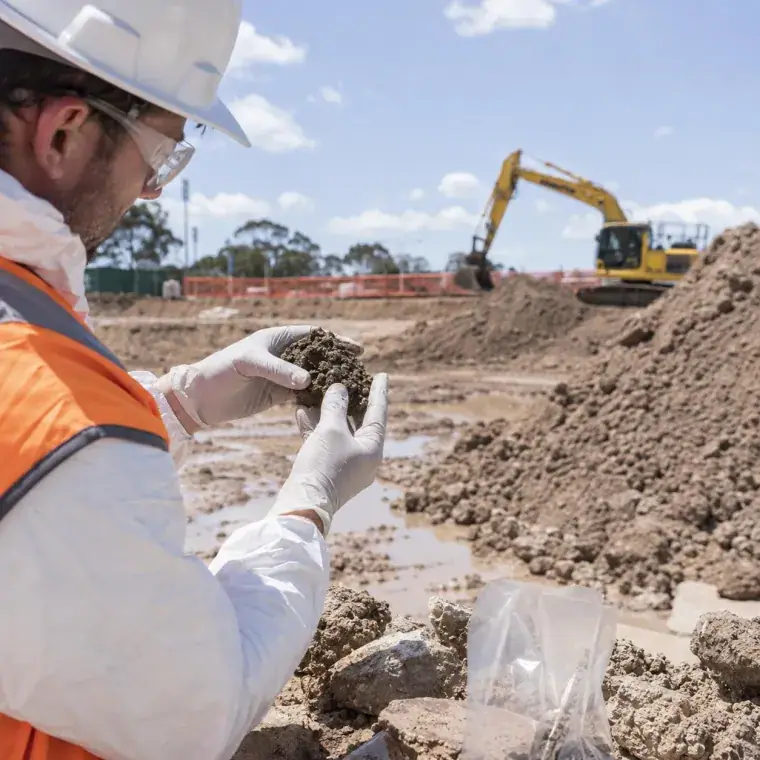
- Classification report. Typically prepared by an environmental consultant, based on laboratory testing by a NATA-accredited laboratory. Soil that hasn’t been chemically assessed defaults to hazardous waste, so this step matters.
- Transport and disposal records. Waste dockets and weighbridge tickets showing what moved, when and where it ended up.
- Facility acceptance documentation. Written confirmation that the facility can lawfully accept the material, such as an approved section 143 notice and its acceptance criteria.
Collecting these before excavation begins makes reporting, audits and client handovers much simpler.