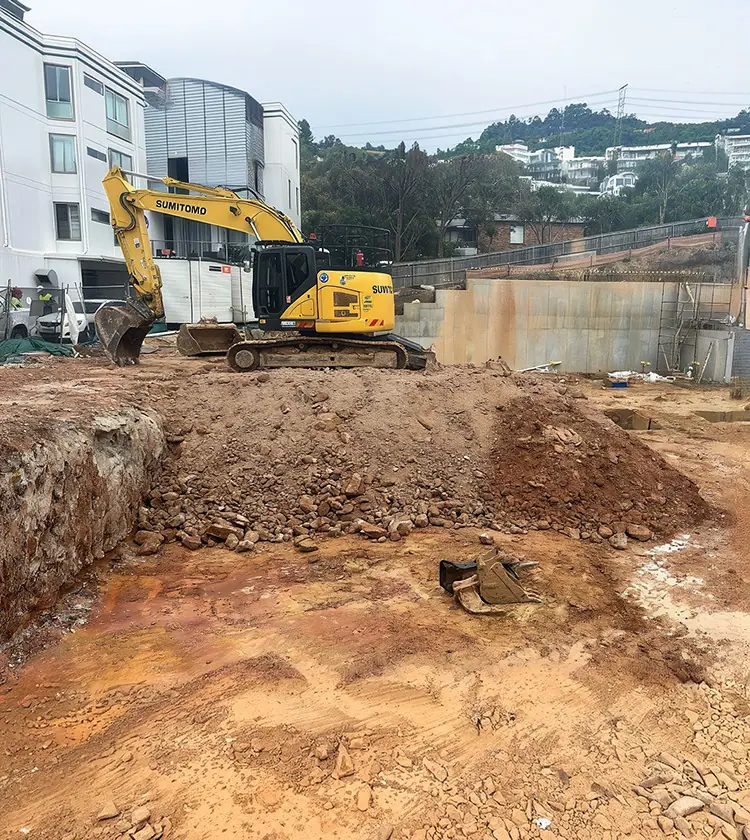
Contaminated Soils
Our expertise in managing contaminated soils ensures that you receive top-notch solutions for soil remediation and disposal.
Learn more about Contaminated SoilsEnvironmental compliance support is the structured documentation, tracking, and reporting required to satisfy regulatory obligations on projects involving contaminated soil, waste transport, and disposal. For civil contractors, councils, and developers working under NSW EPA oversight, compliance documentation must be accurate, traceable, and delivered alongside operational activities rather than assembled after the fact.
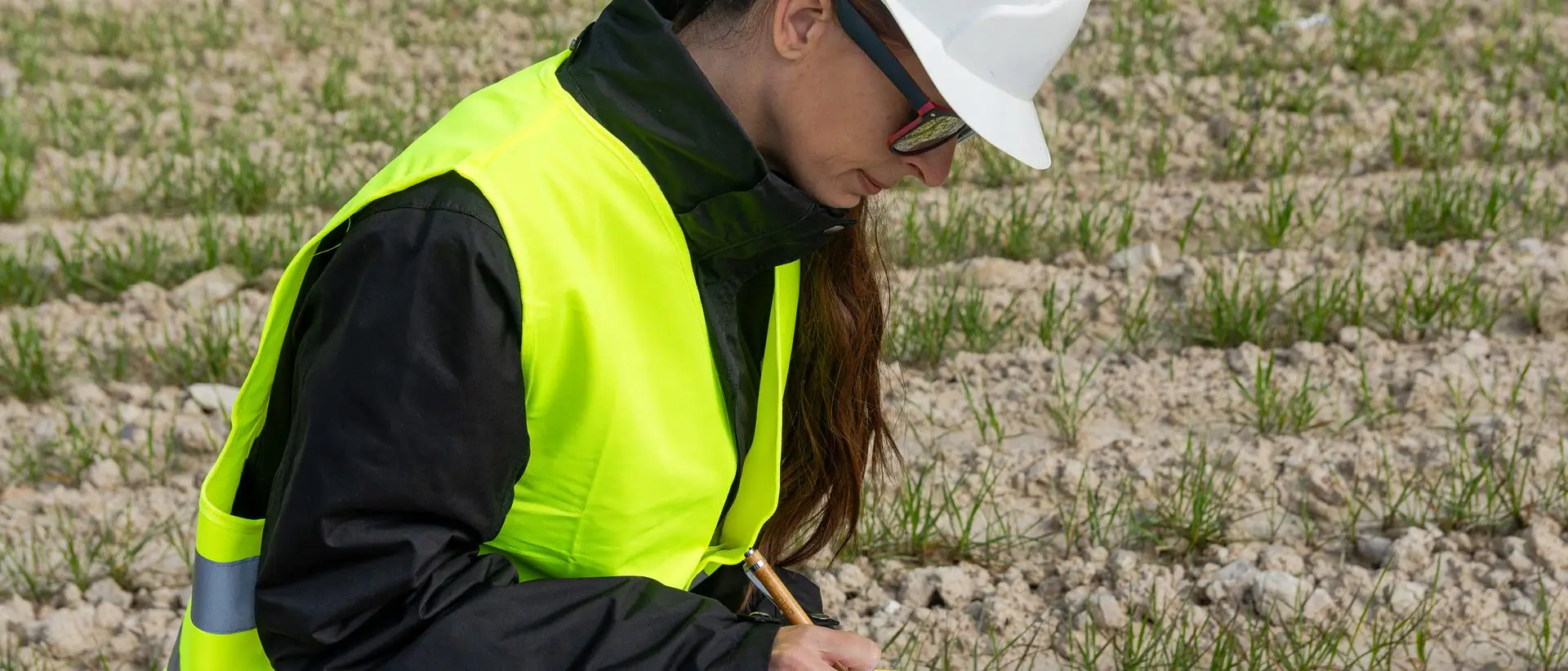
EBH Environmental provides environmental compliance support services NSW-wide, delivering the documentation trail that regulated projects depend on. Our compliance support connects waste classification, chain of custody records, disposal verification, and regulatory reporting into a single coordinated workflow.
Because EBH operates its own EPA-licensed facility and manages transport, disposal, and remediation operations directly, compliance documentation is generated from operational records rather than reconstructed from third-party inputs. This means fewer gaps, faster turnaround, and reporting that reflects what actually happened on site.
Environmental compliance support refers to the documentation, reporting, and tracking obligations that sit alongside contaminated soil management, waste transport, and disposal operations under NSW regulations.
At EBH, environmental compliance support covers:
Compliance requirements are determined by the classification of material, the regulatory framework governing the project, and the disposal or treatment pathway selected.
Contaminated soil disposal in NSW generates specific compliance obligations under the NSW EPA framework. Documentation must trace the full path from classification through transport to facility acceptance.
EBH provides EPA compliance documentation covering:
Each record is produced during operational delivery, not assembled retrospectively, which reduces the risk of documentation gaps during regulatory review.
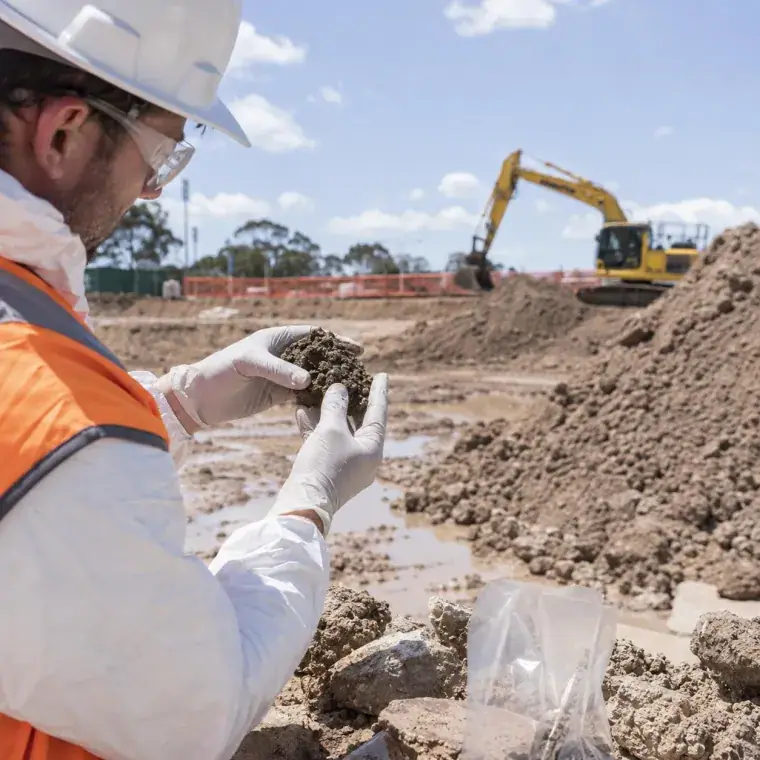
Where upstream classification is required, it is coordinated through contaminated soil assessment.
Regulatory compliance for waste transport requires documented traceability from the point of excavation to the receiving facility. In NSW, chain of custody records must demonstrate that material was classified, loaded, transported, and received under controlled conditions.
EBH provides:
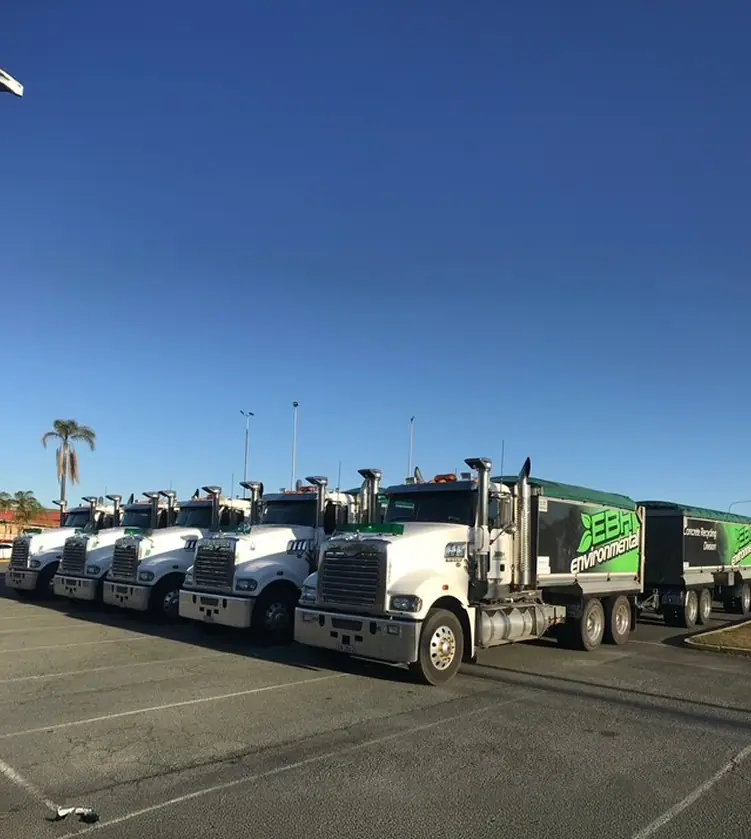
Because EBH operates its own transport fleet, chain of custody documentation is generated directly from operational movements rather than compiled from subcontractor records.
Transport operations are managed through transport and logistics.
Civil construction projects and remediation works operating under regulatory oversight require compliance reporting that aligns with project-specific conditions of approval, environmental management plans, and NSW EPA requirements.
EBH supports compliance reporting for:
Reporting is structured to meet the project's regulatory framework, whether that involves conditions of approval, remediation action plan requirements, or EPA licence conditions.
Remediation-specific reporting is coordinated through environmental remediation.
Environmental compliance management works most effectively when documentation is integrated across every stage of a project, from initial classification through to disposal verification and regulatory sign-off.
EBH coordinates compliance documentation across:
This integrated approach means compliance documentation does not need to be stitched together from multiple providers. Classification, transport, disposal, and reporting records are all generated within the same operational framework.
Compliance support is most effective when it begins before excavation starts, not after soil has already been moved.
This process ensures compliance documentation develops alongside project activities, reducing the risk of reporting gaps, rejected submissions, or delays to regulatory sign-off.
Compliance documentation is coordinated across EBH's operational services, including soil disposal, contaminated soils, transport and logistics, and environmental remediation.
Incomplete or poorly managed compliance documentation can result in:
Early compliance planning, consistent documentation during operations, and structured reporting at handover reduce these risks before they become project-stopping issues.
Environmental compliance support in NSW operates within a defined regulatory structure. Projects involving contaminated soil, waste transport, and disposal must satisfy obligations under several overlapping frameworks.
EBH's compliance documentation is structured around:
Understanding which framework applies to a project determines what documentation is required, when it must be produced, and who it must be submitted to.
To deliver effective environmental compliance support, EBH typically requires:
Providing this information early allows compliance frameworks to be established before operations begin, which prevents documentation gaps once excavation is underway.
As part of our environmental compliance support services, clients receive:
These deliverables are designed to withstand regulatory scrutiny and provide confidence during audits, project handovers, and sign-off processes.
Our environmental compliance support services support:
This includes environmental compliance solutions for councils and infrastructure projects, compliance support for contaminated land remediation projects, and regulatory compliance support for hazardous and restricted waste disposal.
[FAQS]
Environmental compliance support covers the documentation, tracking, and reporting activities required to satisfy NSW EPA regulations during contaminated soil disposal, waste transport, and remediation projects. It includes waste classification records, chain of custody documentation, waste tracking reports, and compliance packages for regulatory review.
No. EBH provides compliance support through operational documentation and reporting. We do not act as environmental consultants, prepare environmental site investigations (ESIs), or develop remediation action plans (RAPs). Upstream assessment and planning are managed by appropriately qualified consultants.
EBH provides waste classification records aligned with NSW EPA guidelines, chain of custody documentation for soil transport, disposal dockets from licensed facilities, waste tracking records, and compliance reporting packages suitable for audit and regulatory review.
Yes. EBH provides environmental compliance documentation for councils, government agencies, and infrastructure projects operating under NSW EPA oversight. Documentation packages are structured to meet project-specific reporting obligations and regulatory requirements.
Our compliance support covers documentation for VENM (Virgin Excavated Natural Material), ENM (Excavated Natural Material), restricted solid waste, and hazardous waste classifications under NSW EPA waste classification guidelines.
Environmental compliance support operates across EBH's service lines. It connects waste classification from contaminated soil assessment, transport documentation from our logistics operations, disposal records from our soil disposal service, and validation reporting from environmental remediation delivery.
EBH provides documentation that supports environmental management plans, including waste tracking records, compliance reporting, and site documentation. The development of formal environmental management plans or construction environmental management plans (CEMPs) is managed by the project's environmental consultant.
If classification outcomes change during excavation or transport, EBH updates compliance documentation to reflect the revised classification, adjusts disposal pathways accordingly, and ensures all reporting remains aligned with NSW EPA requirements.
Compliance failures on contaminated land projects rarely come from a single missing document. They come from documentation that does not match what happened on site, records that were assembled after the fact, or reporting that was never structured to meet the project's regulatory framework in the first place.
EBH Environmental delivers environmental compliance support NSW-wide from within operations, not alongside them. Because classification, transport, disposal, and reporting are all managed under one operational framework, compliance documentation reflects actual site activities and meets regulatory requirements without the gaps that come from coordinating across multiple providers.
To discuss compliance support for your project, speak with our team.
Our expertise in managing contaminated soils ensures that you receive top-notch solutions for soil remediation and disposal.
Learn more about Contaminated SoilsClassification-led disposal pathways, approved facility acceptance and documented transport for construction and civil projects.
Learn more about Soil DisposalLicensed haulage of spoil and regulated waste, with approved facility routing, tipping coordination and documented chain of custody.
Learn more about Transport & Logistics